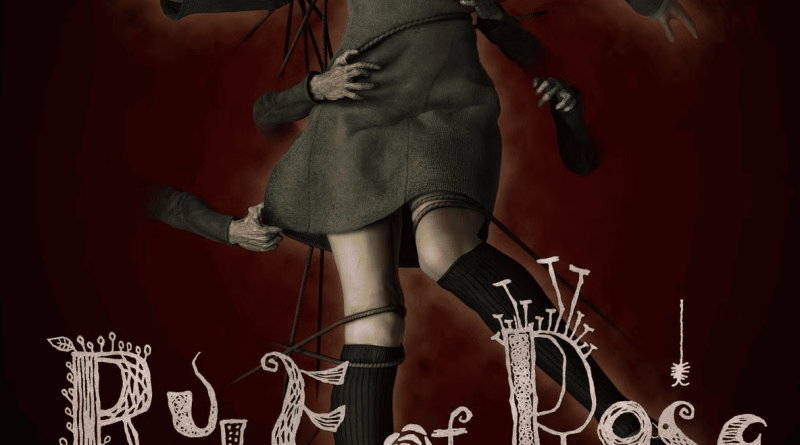
8 Dark Secrets Behind Rule of Rose – The Banned Video Game That Sparked Global Controversy
In the long history of banned video games, few titles are as misunderstood, debated, and mythologized as Rule of Rose. Released in 2006 for the PlayStation 2, this psychological horror game quickly became infamous—not just for its disturbing themes, but for the controversy surrounding its release, censorship pressure, and public backlash.
Even today, the Rule of Rose banned game remains a hot topic among collectors, horror fans, and gaming historians. Some claim it was outright banned in multiple countries, while others argue it was never officially banned but heavily restricted due to controversy and distribution issues.
What is certain is this: Rule of Rose became one of the most talked-about horror games of its generation, and its reputation continues to grow in internet culture.
Let’s uncover the full story behind its controversy.
What Is Rule of Rose?
Rule of Rose is a psychological survival horror game developed by Punchline and published by Sony Computer Entertainment.
The game follows a young woman named Jennifer, who becomes trapped in a mysterious airship-like society governed entirely by children. As she explores this surreal world, she uncovers disturbing social hierarchies, emotional abuse, and traumatic rituals carried out by a group known as the “Red Crayon Aristocrats.”
Unlike traditional horror games focused on monsters or supernatural threats, Rule of Rose relies heavily on psychological horror, symbolism, and emotional distress.
The game is known for its slow pacing, unsettling atmosphere, and deeply uncomfortable narrative themes.
You can read more about the game’s background on its official profile here:
https://en.wikipedia.org/wiki/Rule_of_Rose
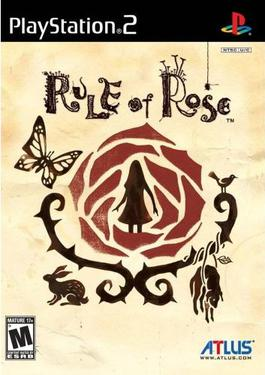
The Rise of Rule of Rose in a Sensitive Era
The mid-2000s was a period when video game censorship debates were intensifying globally. Governments and rating boards were under pressure to regulate increasingly mature content in games.
When Rule of Rose was revealed, its early promotional material triggered immediate concern due to its:
- Child-centered narrative
- Psychological trauma themes
- Depictions of abuse (implied, not explicit)
- Dark social commentary
Even before release, the Rule of Rose banned game controversy had already begun forming in public discussion forums and media outlets.
Reason #1 – Controversial Psychological Themes
At its core, Rule of Rose deals with emotionally heavy subject matter.
The story explores:
- Childhood trauma
- Power dynamics between children
- Emotional manipulation
- Isolation and fear
- Psychological abuse
While the game does not rely on graphic violence, its themes are intentionally unsettling and symbolic. Critics argued that its subject matter was too disturbing for mainstream audiences.
Supporters, however, viewed it as a serious artistic attempt to explore trauma through horror storytelling.
Reason #2 – Misinterpretation of Its Content
A major factor in the controversy was misunderstanding.
Many people who criticized Rule of Rose had never played it. Instead, they reacted to:
- Out-of-context screenshots
- Sensational media coverage
- Misleading descriptions of its themes
This created a narrative that the game contained explicit inappropriate content involving minors, which developers have repeatedly denied.
The gap between perception and reality played a major role in the Rule of Rose banned game mythos.
Reason #3 – Media Panic and Public Backlash
As news of the game spread, several media outlets portrayed it as one of the most disturbing games ever created.
Headlines emphasized shock value rather than context, contributing to a growing moral panic around the title.
Parents’ groups and advocacy organizations raised concerns about:
- Age-appropriate content
- Psychological impact
- Lack of clear narrative understanding
This led to increased scrutiny from rating boards and distributors.
Reason #4 – Distribution Problems in Europe
One of the most widely repeated claims is that Rule of Rose was “banned in Europe.”
The reality is more complex.
In the United Kingdom, the game received a PEGI 16 rating, but its publication became controversial due to public pressure. Some retailers chose not to stock it, and distribution became extremely limited.
In several European regions, availability was reduced or delayed, contributing to the perception that it was effectively banned.
However, it was not uniformly prohibited across Europe—rather, it faced restricted distribution and retailer hesitation.
Reason #5 – The Role of Video Game Ratings Boards
The controversy surrounding Rule of Rose highlighted the power of rating systems such as PEGI and CERO.
While the game was not officially banned in most regions, the debate raised questions about:
- How psychological themes are evaluated
- Whether non-violent content can still be “harmful”
- The subjectivity of rating decisions
The Rule of Rose banned game narrative became part of a larger discussion about how video games are classified and regulated.
Reason #6 – Cultural Differences in Horror Interpretation
One of the most interesting aspects of Rule of Rose is how differently it was received across cultures.
In Japan, psychological horror in games was more familiar due to titles like Silent Hill and Project Zero.
In Western markets, however, Rule of Rose felt more controversial because:
- Its themes were less common in mainstream games
- Its storytelling was abstract and symbolic
- Its tone was emotionally uncomfortable rather than action-driven
This cultural gap amplified misunderstanding and controversy.
Reason #7 – The Collector’s Market Effect
Ironically, controversy made Rule of Rose more desirable.
Because of limited distribution and high public interest, physical copies of the game became rare. Over time, it became a collector’s item, with prices increasing significantly on the resale market.
This scarcity strengthened its reputation as a “forbidden” or “lost” game, even though it was technically still legally available in some regions.
Reason #8 – The Psychological Horror Legacy
Despite the controversy, Rule of Rose is now widely recognized as an important psychological horror title.
It influenced discussions about:
- Emotional storytelling in games
- Symbolic horror design
- Narrative-driven survival horror experiences
Unlike many controversial games that are remembered for shock value, Rule of Rose is increasingly analyzed for its artistic ambition.
Its legacy sits somewhere between misunderstood art and controversial media artifact.
Was Rule of Rose Actually Banned?
This is one of the most debated questions surrounding the game.
The truth is:
- It was not globally banned
- It was not officially prohibited in most regions
- It was heavily restricted in perception and distribution
- It became widely known as a “banned game” due to media framing and availability issues
This gap between perception and reality is exactly what keeps the Rule of Rose banned game discussion alive today.
The Legacy of Rule of Rose
Today, Rule of Rose is remembered as:
- A misunderstood psychological horror experience
- A symbol of early gaming censorship debates
- A rare collectible PS2 title
- A case study in media misinterpretation
It stands alongside other controversial games like Manhunt 2 and Postal 2 in discussions about how far interactive storytelling can go before triggering public backlash.
Conclusion
Rule of Rose remains one of the most fascinating examples in gaming history where perception shaped reality.
Whether it was truly “banned” or simply restricted through controversy, its reputation as a Rule of Rose banned game has become part of gaming folklore.
Its legacy proves that in video games, sometimes the most powerful force is not the content itself—but how society interprets it.
Read about: 9 Reasons Postal 2 Became One of the Most Controversial Banned Video Games Ever Made – Abandoned Files