9 Shocking Facts Behind Hatred and Violence in “Hatred” – The Most Controversial Banned Indie Game Ever Made
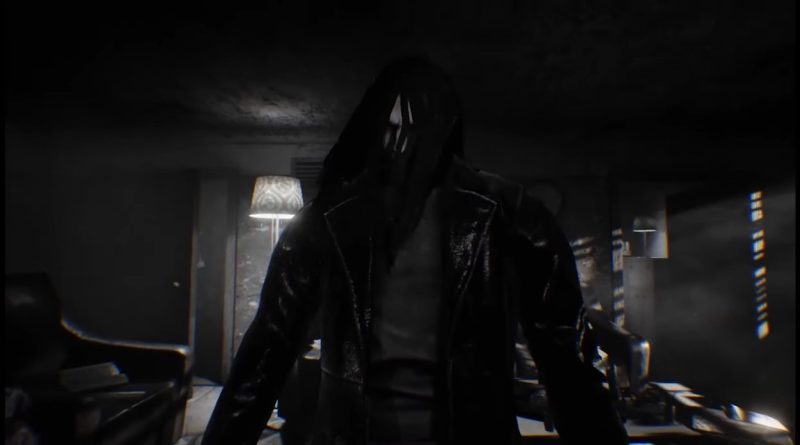
When Hatred was first revealed in 2014, it immediately became one of the most controversial indie games in modern gaming history. Developed by Destructive Creations, the game presented a dark, monochrome world where players take on the role of a mass shooter engaging in extreme violence against civilians and law enforcement.
Unlike traditional action games, Hatred did not attempt to justify its violence through heroism, story morality, or satire. Instead, it placed brutality at the center of its identity. This design choice led to global backlash, rating disputes, and intense debates about censorship in video games.
The Hatred banned game controversy quickly became a defining moment in discussions about how far indie developers can push boundaries.
What Is Hatred?
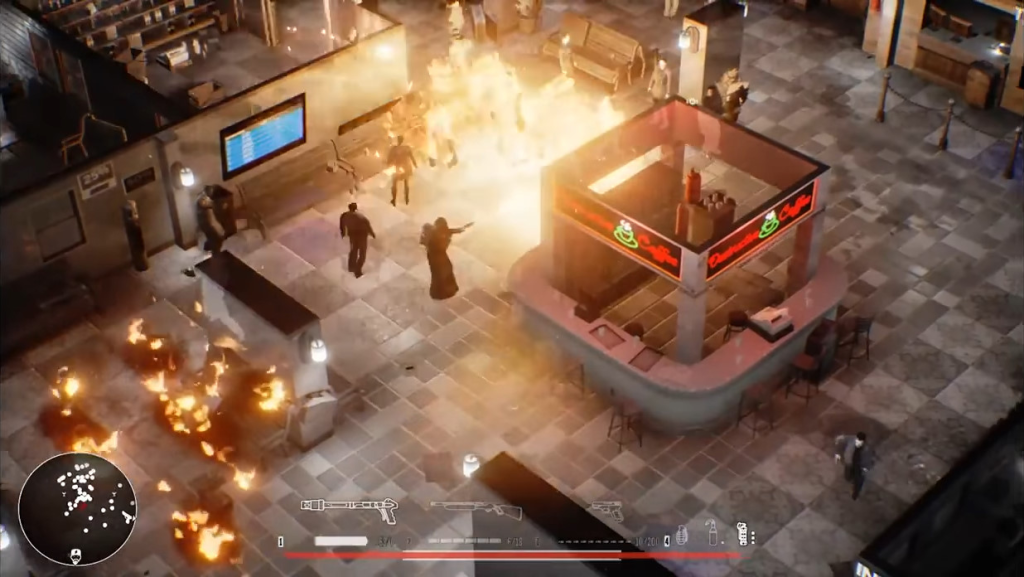
Hatred is an isometric shooter released on PC in 2015 by Polish developer Destructive Creations.
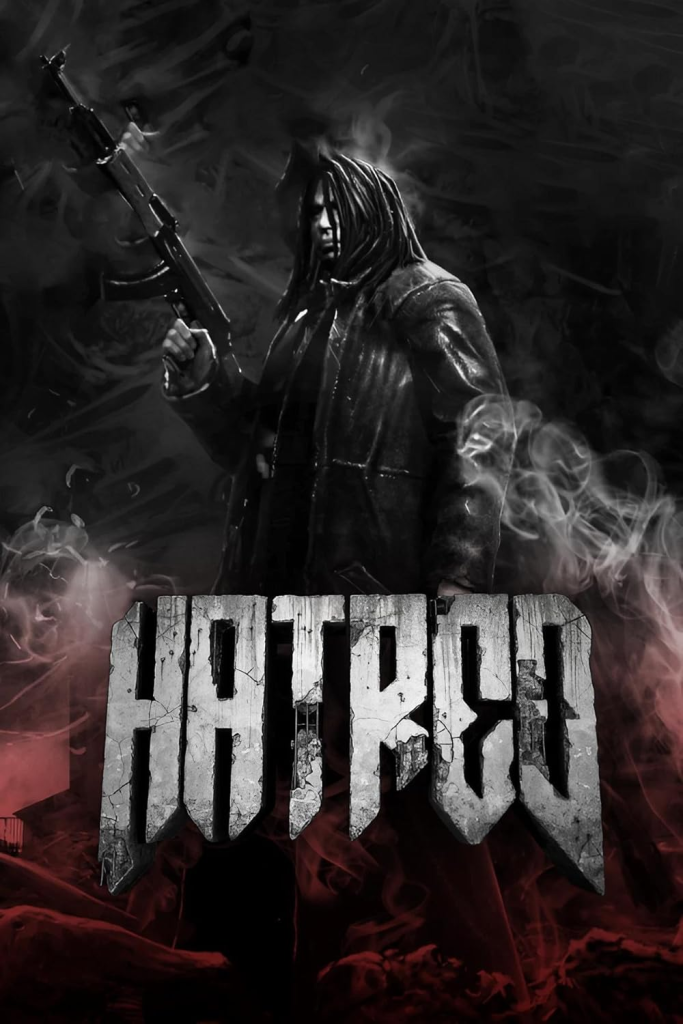
The game follows a character known only as “The Antagonist,” whose sole motivation is hatred toward humanity. Players navigate urban environments while engaging in violent confrontations with civilians and police forces.
Unlike many controversial titles, Hatred was not framed as satire or dark comedy. Its tone was intentionally bleak, cold, and emotionally detached.
This presentation led to immediate global controversy.
Reason #1 – Extreme Violence Against Civilians
The primary reason for the Hatred banned game controversy was its depiction of violence against non-combatants.
Players could use a variety of weapons including:
- Firearms
- Explosives
- Melee weapons
- Environmental destruction tools
The game’s structure placed civilians as primary targets, which many critics found deeply disturbing.
While violence exists in many games, Hatred stood out because it removed narrative justification entirely.
Reason #2 – Controversial First Reveal Trailer
When the first trailer was released, it shocked audiences worldwide.
The trailer showed:
- Black-and-white visual style
- Mass destruction in public spaces
- Cold narration about hatred toward humanity
The tone was intentionally provocative, designed to generate attention.
It worked—media outlets quickly picked up the story, labeling it one of the most disturbing games ever shown.
Reason #3 – Steam Removal and Reinstatement
One of the most significant moments in the controversy occurred when Valve initially removed Hatred from Steam’s Greenlight platform.
The decision was based on concerns over its extreme content and lack of creative justification.
However, after public backlash and debate about censorship policies, Valve reversed the decision and allowed the game to return.
This reversal highlighted ongoing tensions between content moderation and creative freedom in digital storefronts.
Reason #4 – AO Rating Discussion
Although Hatred was ultimately rated “Adults Only” (AO) in some discussions and regions, it reignited debate about rating systems.
The AO rating is rarely used and typically restricts a game’s commercial availability.
Critics argued that the rating system struggled to classify games that exist purely for shock value rather than narrative or artistic intent.
Reason #5 – Media and Public Backlash
Mainstream media coverage of Hatred was overwhelmingly negative.
Many outlets described the game as:
- Morally offensive
- Dangerous in tone
- A step backward for gaming culture
Public reaction was divided, with some calling it artistic expression and others labeling it irresponsible entertainment.
The controversy ensured that the Hatred banned game controversy became widely discussed even before release.
Reason #6 – Debate Over Artistic Freedom
Supporters of Hatred argued that the game represented a form of extreme artistic expression.
They claimed that:
- Games should not be limited by moral expectations
- Players should be free to explore dark themes
- Fiction does not equal endorsement
Opponents disagreed, arguing that the game crossed ethical boundaries by centering violence as entertainment without context.
This debate remains central to discussions about controversial media.
Reason #7 – Comparison to Other Controversial Games
Hatred is often compared to other controversial titles such as:
- Manhunt 2
- Postal 2
- Carmageddon
However, critics argue that Hatred differs because it lacks humor, satire, or narrative justification.
This distinction made it one of the most polarizing indie releases in gaming history.
Reason #8 – Global Classification Challenges
Different countries approached Hatred in different ways:
- Some applied strict adult-only classifications
- Others allowed release with warnings
- Some regions discouraged distribution entirely
This inconsistency highlighted how cultural values influence game classification decisions worldwide.
Reason #9 – Legacy in Indie Game Development
Despite controversy, Hatred had a lasting impact on indie development.
It demonstrated:
- The power of viral marketing through controversy
- The limits of shock-based game design
- The importance of platform policies in game distribution
Even though it was not a mainstream success, it remains a case study in gaming culture debates.
The Legacy of Hatred
Today, Hatred is remembered less as a traditional game and more as a cultural controversy.
It represents:
- The boundaries of violent video games
- The role of censorship in digital platforms
- The divide between artistic expression and public responsibility
The Hatred banned game controversy continues to be referenced whenever discussions arise about extreme content in interactive media.
Conclusion
Hatred remains one of the most controversial indie games ever created, not because of technical achievement or storytelling depth, but because of its uncompromising focus on extreme violence.
Whether viewed as artistic expression or unnecessary provocation, its impact on gaming discussions is undeniable.
It serves as a reminder that video games are not just entertainment—they are cultural artifacts that often spark intense debate about morality, freedom, and responsibility.
Also read: 10 Hidden Facts Behind the Hot Coffee Mod – The R-Rated Scandal That Shook GTA San Andreas – Abandoned Files