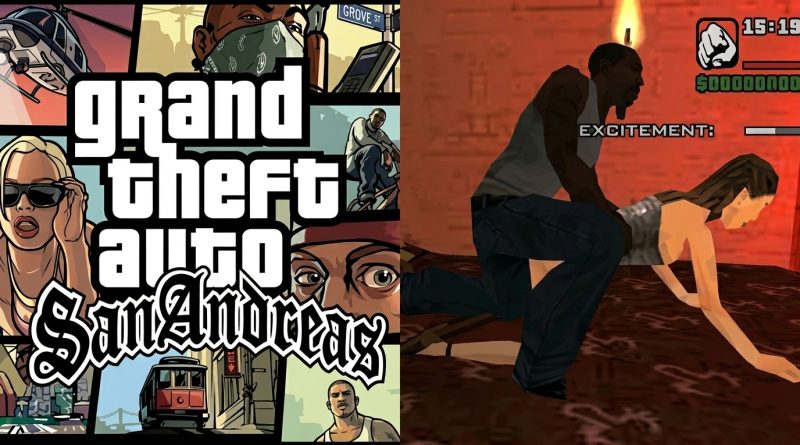
10 Hidden Facts Behind the Hot Coffee Mod – The R-Rated Scandal That Shook GTA San Andreas
Few moments in gaming history have caused as much global controversy as the Hot Coffee GTA San Andreas banned mod incident. What started as a hidden, inaccessible mini-game buried deep inside Rockstar Games’ Grand Theft Auto: San Andreas eventually became a worldwide scandal involving regulators, lawsuits, rating changes, and massive industry scrutiny.
Unlike typical banned video games, this case was not about overt violence alone—it was about hidden adult content, discovery through modding, and how unfinished or disabled features can completely change a game’s legal classification.
The result was one of the most dramatic controversies in gaming history.
What Is GTA San Andreas Hot Coffee?
Grand Theft Auto: San Andreas, released in 2004, was already one of the most successful and controversial open-world games ever made. However, it contained a hidden mini-game that would later become known as “Hot Coffee.”
This content was not accessible through normal gameplay. It was hidden in the game’s files and only discovered later by modders who unlocked disabled features.
Once activated, it revealed a short interactive sequence involving consensual romantic interaction between the main character, CJ, and his in-game partner. While not explicit in detail compared to adult media standards, it was enough to significantly alter the game’s rating classification.
You can read more about the base game on Rockstar’s official site:
https://www.rockstargames.com/games/sanandreas
How the Hot Coffee Content Was Discovered
The controversy began when PC modders explored the game’s data files and discovered unused code that referenced an interactive mini-game.
Initially, many believed it was cut content left behind during development. However, it was fully functional once unlocked through modification tools.
This discovery quickly spread across online forums and gaming communities, turning into a viral topic almost overnight.
What made this situation unique was not just the content itself—but the fact that it still existed inside the retail version of the game.
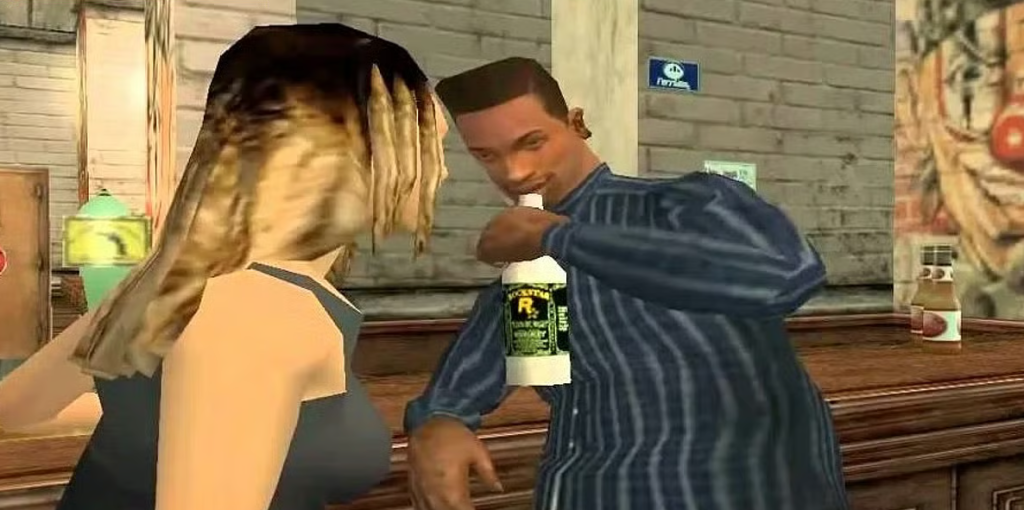
Reason #1 – Hidden Adult Mini-Game Content
The core of the Hot Coffee GTA San Andreas banned mod controversy was the existence of interactive adult-themed content.
While the scenes were relatively short and not graphically explicit, they represented a type of gameplay interaction that was not disclosed to rating boards.
At the time of release, the game had been rated as suitable for mature audiences, but the presence of hidden adult content raised serious questions about transparency in game development.
Critics argued that even unused content should not remain accessible within commercial releases if it could be unlocked.
Reason #2 – ESRB Rating Reclassification
One of the most significant consequences of the controversy was the action taken by the Entertainment Software Rating Board (ESRB).
After reviewing the discovered content, the ESRB re-evaluated GTA: San Andreas and temporarily changed its rating from “Mature (M)” to “Adults Only (AO).”
This was a major event in the gaming industry because AO-rated games face extreme distribution limitations. Many retailers refuse to stock them, and console manufacturers often restrict them entirely.
The rating change forced Rockstar and its publisher to take immediate corrective action.
More information about rating guidelines can be found at the ESRB official site:
https://www.esrb.org/
Reason #3 – Removal and Patch Distribution
Following the rating change, Rockstar released a patched version of GTA: San Andreas that removed access to the Hot Coffee content entirely.
This update effectively disabled the mini-game and ensured that new copies of the game complied with M-rated standards.
However, this solution did not erase the controversy. Existing copies of the game still contained the original data, and physical versions already sold remained in circulation.
This created a long-lasting debate about whether developers are responsible for all content inside a shipped product—even unused or inaccessible assets.
Reason #4 – Legal and Regulatory Investigations
The discovery of the Hot Coffee mod triggered investigations in multiple regions, including the United States and other markets where the game was distributed.
Regulators questioned whether the game had been accurately represented during its rating submission process. Legal scrutiny focused on:
- Disclosure of content during classification
- Responsibility for hidden assets
- Consumer protection laws
- Retail distribution practices
Although no criminal wrongdoing was ultimately established, the case set an important precedent for how digital content is evaluated.
Reason #5 – Media Explosion and Public Reaction
Once the story broke, mainstream media coverage amplified the controversy significantly.
Headlines often emphasized the most sensational aspects of the discovery, leading to widespread public concern—even among people who had never played the game.
Television segments, newspapers, and online forums debated whether video games were becoming too mature or difficult to regulate.
The Hot Coffee GTA San Andreas banned mod quickly became a symbol of gaming controversy in early 2000s media culture.
Reason #6 – Rockstar Games’ Response
Rockstar Games responded by stating that the Hot Coffee content was never intended to be accessible in the final release version of the game.
According to the company, the content had been disabled during development and should not have been discoverable in the retail product.
Despite this explanation, critics argued that leaving interactive code inside the game still represented a failure in content management.
The company ultimately agreed to the ESRB’s revised rating and worked to distribute patched versions of the game.
Reason #7 – Impact on the ESRB and Industry Standards
The Hot Coffee scandal had a lasting impact on how games are reviewed and rated.
After the incident, rating organizations introduced stricter requirements for:
- Reviewing unused game assets
- Verifying hidden or disabled content
- Ensuring full disclosure during submission
- Strengthening developer compliance rules
This case became a turning point in how the industry handles content classification.
Reason #8 – The Role of Modding Communities
Interestingly, the entire controversy was driven by the PC modding community.
Without modders exploring the game files, the Hot Coffee content would likely have remained undiscovered.
This raised broader questions about:
- Ownership of game data
- Responsibility for modifiable content
- The limits of player-driven discovery
Modding communities continue to play a major role in uncovering hidden or unused content in modern games.
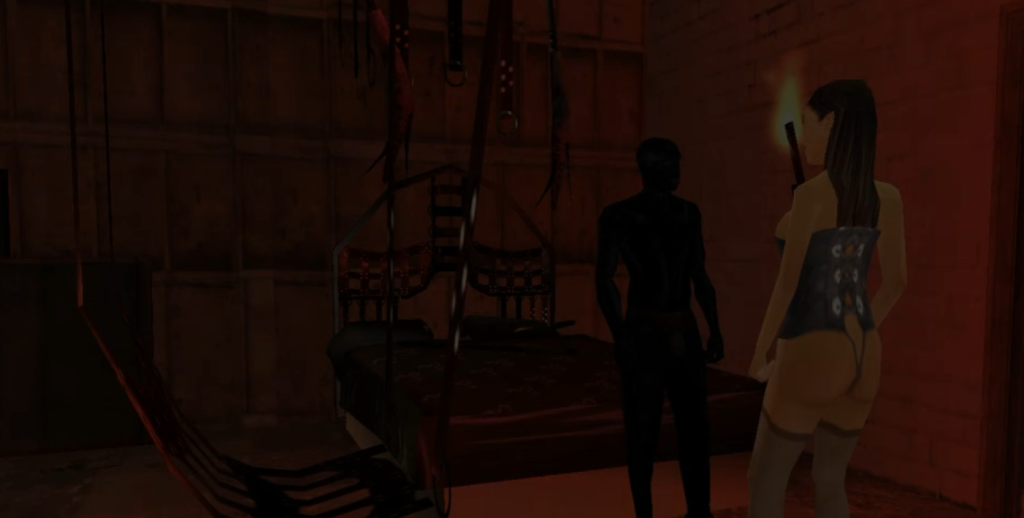
Reason #9 – Cultural Debate Around Video Game Ratings
The controversy fueled a larger cultural discussion about whether video games were being appropriately regulated compared to other media such as films or television.
Some argued that games were held to stricter standards because they are interactive. Others believed the same creative freedoms should apply across all entertainment formats.
The debate remains active today in discussions about censorship, ratings, and digital distribution platforms.
Reason #10 – The Legacy of the Hot Coffee Incident
Today, the Hot Coffee incident is considered one of the most important regulatory moments in gaming history.
It influenced:
- ESRB rating policies
- Developer disclosure practices
- Public awareness of game content classification
- Industry transparency standards
It also remains one of the most cited examples of how hidden content can dramatically change the perception of an entire game.
Conclusion
The Hot Coffee GTA San Andreas banned mod controversy was not just about a hidden mini-game—it was about trust, transparency, and how digital content is evaluated in a rapidly evolving industry.
What began as an internal development feature turned into a global scandal that reshaped rating systems and industry practices for years to come.
Even today, it stands as a landmark case in discussions about R-rated video games, censorship, and content responsibility.
Read more about: 8 Dark Secrets Behind Rule of Rose – The Banned Video Game That Sparked Global Controversy – Abandoned Files