12 Mind-Blowing Facts About Thonis-Heracleion: The Lost City Beneath the Mediterranean Sea That Vanished for Over 1,000 Years
Thonis-Heracleion, also known simply as Heracleion, was once a thriving ancient Egyptian port city located at the mouth of the Nile. For centuries it served as Egypt’s bustling gateway to the Mediterranean world. Then, around the 2nd century BC, it mysteriously vanished beneath the waves. Buried under sand and seawater for more than 1,000 years, Thonis-Heracleion was completely forgotten until its dramatic rediscovery in 2000. Today, this sunken city offers one of the most remarkable underwater archaeological sites on Earth.
The Rise of a Legendary Trade Hub
Founded around the 8th century BC, Thonis-Heracleion (Thonis was the Egyptian name, Heracleion the Greek) quickly became Egypt’s most important Mediterranean port. It controlled all maritime trade entering or leaving the country. Greek merchants, soldiers, and traders settled here in large numbers, creating a vibrant multicultural melting pot long before the founding of Alexandria.
The city housed grand temples, including one dedicated to the god Amun, massive statues, and a bustling harbor filled with hundreds of ships. Ancient writers like Herodotus mentioned it, adding to its mythical status.
How Thonis-Heracleion Sank Beneath the Sea
Around the 2nd century BC, a combination of natural disasters struck the city. Earthquakes, tsunamis, rising sea levels, and the unstable Nile Delta soil caused large parts of the city to liquefy and sink. Over time, the entire urban area disappeared under approximately 6–10 meters of water and thick layers of sediment. It remained hidden for more than 1,200 years.
The Miraculous Rediscovery in 2000
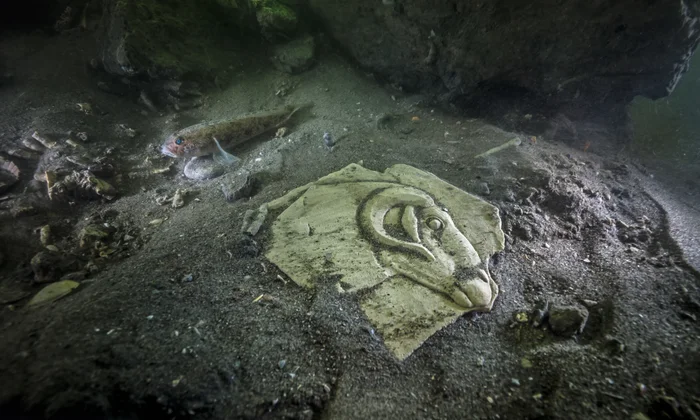
In 2000, French underwater archaeologist Franck Goddio and his team from the European Institute for Underwater Archaeology (IEASM) made an astonishing find while searching Abu Qir Bay, about 7 km off the Egyptian coast. Using advanced sonar and diving technology, they located the ruins of Thonis-Heracleion.
Since then, excavations have continued, revealing an incredibly well-preserved underwater time capsule.
12 Mind-Blowing Facts About Thonis-Heracleion
- It was Egypt’s main customs port — Every ship entering or leaving Egypt had to stop here and pay taxes.
- Over 700 ancient anchors have been found at the site — the largest collection ever discovered in the ancient world.
- 69 ships were uncovered in the harbor area, including a massive ceremonial barge.
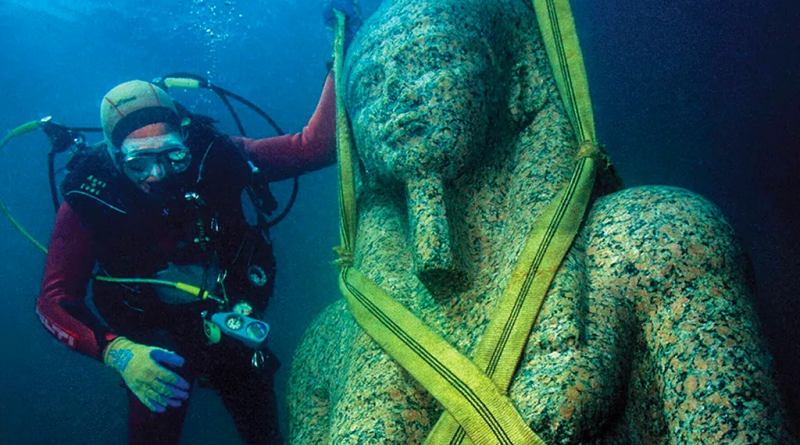
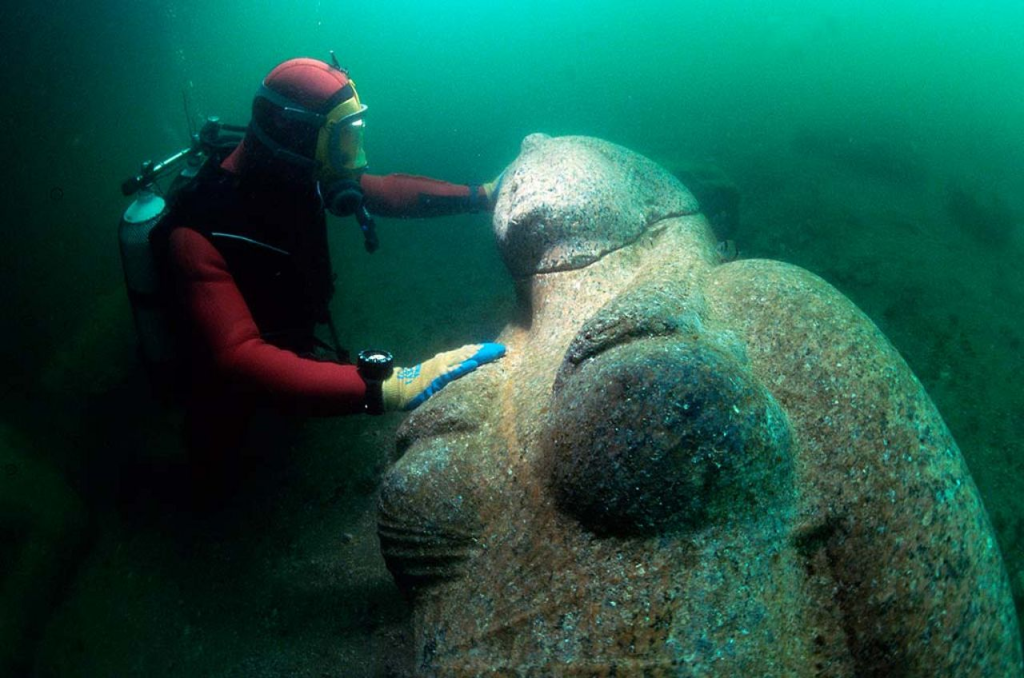
- Colossal statues of gods and pharaohs, some weighing several tons, still lie on the seabed.
- It connected two great civilizations — Greek and Egyptian cultures lived side by side for centuries.
- A giant stele of Pharaoh Nectanebo I was discovered, helping confirm the city’s dual names.
- Only about 5% of the city has been excavated so far — meaning thousands of artifacts likely remain buried.
- It sank gradually — allowing many structures and objects to be preserved remarkably well under mud.
- Recent discoveries (2021–2023) include 2,400-year-old fruit in wicker baskets and Greek weapons.
- It may be linked to the legend of Helen of Troy — ancient texts say she and Paris visited the city.
- The temple of Amun was one of the most important religious centers in the region.
- It predates Alexandria — serving as Egypt’s primary port for over 400 years before Alexander the Great founded the famous city.
Life in the Sunken City
At its peak, Thonis-Heracleion was a wealthy, cosmopolitan hub. Merchants traded grain, papyrus, wine, and luxury goods. Temples hosted grand festivals, and the harbor never slept. The discovery of Greek ceramics, coins, and ritual objects shows how deeply intertwined Egypt and Greece were long before the Ptolemaic period.
Why Thonis-Heracleion Matters Today
This lost city gives archaeologists a rare chance to study a major ancient port almost exactly as it existed at the moment of disaster. It also serves as a powerful reminder of how vulnerable coastal cities are to climate change and geological forces.
FAQ
Why did Thonis-Heracleion sink?
A combination of earthquakes, soil liquefaction, tsunamis, and rising sea levels caused the city to submerge gradually.
When was Thonis-Heracleion discovered?
It was rediscovered in 2000 by Franck Goddio’s underwater archaeology team.
Can tourists visit Thonis-Heracleion?
Diving is restricted due to archaeological protection, but some artifacts are displayed in museums in Egypt.
How deep is the lost city?
The ruins lie approximately 5.8 to 10 meters underwater in Abu Qir Bay.
Is Thonis-Heracleion the real Atlantis?
While it shares similarities with the Atlantis legend, it is a confirmed historical city, not a myth.
Conclusion & Call to Action
Thonis-Heracleion proves that some of history’s greatest treasures can remain hidden for millennia, waiting to be rediscovered. Its story blends legend, tragedy, and scientific wonder like few other places on Earth.
What fascinates you most about this sunken Egyptian city — the artifacts, the dramatic sinking, or the ongoing excavations? Share your thoughts in the comments below!
Also read: 10 Shocking Facts About North Korea’s Ryugyong Hotel – The World’s Tallest Unoccupied Building