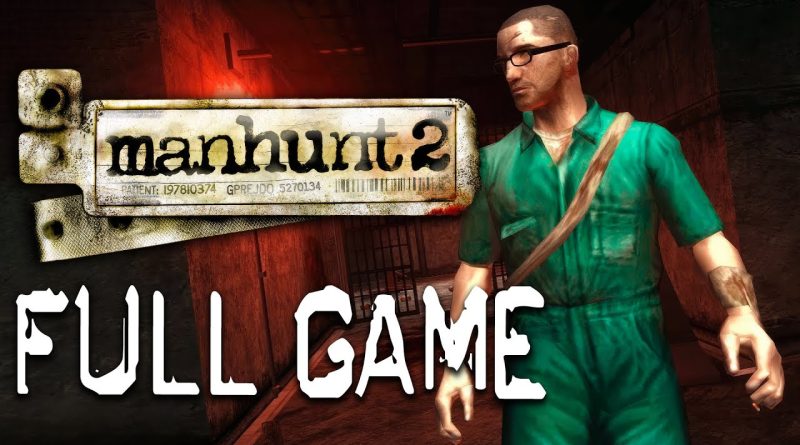
7 Reasons Why Manhunt 2 Became One of the Most Banned Video Games Ever Made
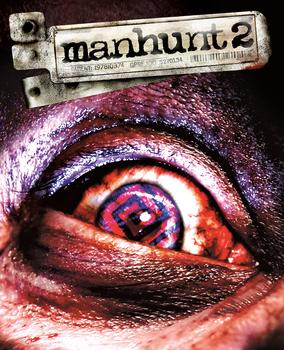
The history of video games is filled with controversial releases, but few titles have generated as much debate as Manhunt 2. Released by Rockstar Games in 2007, the game quickly became a focal point in discussions surrounding violence, censorship, and freedom of expression in interactive entertainment.
Even nearly two decades later, the Manhunt 2 banned game controversy remains one of the most significant examples of video game censorship. Governments, rating boards, politicians, parents’ organizations, and media outlets all weighed in on the game’s content, creating a storm of publicity that few games have ever experienced.
But what exactly made Manhunt 2 so controversial? Why was it banned in several countries? And how did it become one of the most talked-about examples of censorship in gaming history?
Let’s explore the complete story.
What Is Manhunt 2?
Manhunt 2 is a psychological horror stealth game developed by Rockstar London and published by Rockstar Games.
The game follows Daniel Lamb, a patient who escapes from a mysterious psychiatric institution after a violent experiment goes wrong. As he attempts to uncover the truth about his past, players navigate a dark and disturbing world filled with violence, paranoia, and psychological manipulation.
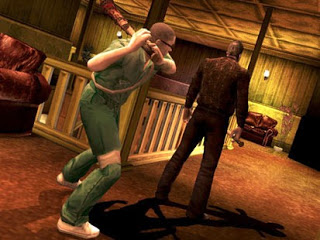
Unlike traditional action games, Manhunt 2 focused heavily on stealth. Players were encouraged to hide in shadows and perform brutal executions on enemies. These executions became the primary source of controversy surrounding the game.
The title was a sequel to the original Manhunt, which had already attracted criticism due to its violent content. However, the sequel pushed the boundaries even further.
Reason #1 – Extremely Graphic Violence
The most obvious reason behind the Manhunt 2 banned game controversy was its graphic violence.
Players could eliminate enemies using everyday objects such as:
- Plastic bags
- Syringes
- Crowbars
- Pliers
- Broken glass
- Electrical wires
The game featured multiple execution levels, with increasingly brutal animations depending on how long players held the attack button.
Many critics argued that these scenes were designed to reward violent behavior. While other games contained violence, Manhunt 2 placed violent executions at the center of gameplay.
At the time, many regulators believed the game’s content exceeded acceptable limits for commercial entertainment.
Reason #2 – It Received a Rare Adults Only Rating
One of the biggest moments in gaming history occurred when the Entertainment Software Rating Board (ESRB) assigned Manhunt 2 an “Adults Only” (AO) rating.
This rating is rarely used and effectively acts as a commercial death sentence for most games.
Major retailers generally refuse to stock AO-rated titles, and console manufacturers typically prohibit them from appearing on their platforms.
The AO rating immediately created massive challenges for Rockstar Games.
Rather than accepting the classification, Rockstar modified portions of the game and submitted a revised version.
The edited release eventually received a “Mature” rating, allowing the game to be sold in stores.
However, the original controversy had already attracted global attention.
Reason #3 – Several Countries Refused Classification
The controversy did not stop in North America.
Several countries either banned or restricted the game due to concerns about its violent content.
United Kingdom
The British Board of Film Classification initially refused classification for Manhunt 2.
Without classification, the game could not legally be sold in the country.
The decision triggered a lengthy legal dispute between Rockstar and British regulators.
Ireland
Irish authorities followed a similar path and prohibited distribution.
Germany
Germany has historically maintained strict regulations regarding violent media. The game faced significant restrictions and distribution challenges.
New Zealand
New Zealand completely banned the title due to concerns about its graphic violence.
These actions helped cement the game’s reputation as one of the most notable examples of video game censorship in modern history.
Reason #4 – Political Pressure Intensified the Debate
The release of Manhunt 2 occurred during a period when politicians were increasingly scrutinizing the gaming industry.
Various lawmakers argued that violent video games could negatively influence behavior, particularly among younger players.
News outlets covered the controversy extensively, often portraying the game as an example of excessive violence in entertainment.
As public concern grew, pressure mounted on regulators to take action.
The game became a symbol of a larger cultural debate:
Should governments regulate violent entertainment, or should creative freedom be protected?
This question remains relevant today.
Reason #5 – The Psychological Horror Themes Disturbed Critics
Violence was not the only concern.
The game’s psychological themes also attracted criticism.
Throughout the story, players encounter:
- Mental institutions
- Human experimentation
- Psychological manipulation
- Hallucinations
- Identity crises
- Moral ambiguity
Critics argued that the combination of mental illness themes and graphic violence created an especially disturbing experience.
Supporters, however, viewed the game as a form of horror storytelling similar to controversial films and novels.
This disagreement highlighted the ongoing struggle to define video games as either entertainment products or artistic works.
Reason #6 – The Media Coverage Fueled Public Fear
Ironically, many people who criticized Manhunt 2 had never played it.
Instead, public opinion was often shaped by media reports focusing on the game’s most shocking scenes.
Television programs, newspapers, and online publications frequently described the game using dramatic language.
As a result, Manhunt 2 became one of the most recognizable examples of a gaming moral panic.
The controversy generated enormous publicity, turning a relatively niche horror game into an international news story.
For many gamers, the situation demonstrated how public perception of games could be influenced by headlines rather than firsthand experience.
For additional historical information regarding the game’s development and release, readers can explore the official Rockstar Games website at Rockstar Games.
Reason #7 – The Censorship Battle Made It More Famous
Perhaps the greatest irony surrounding the Manhunt 2 banned game controversy is that censorship ultimately increased interest in the title.
When authorities attempted to restrict access, curiosity skyrocketed.
Players wanted to know:
- What made the game so controversial?
- Was it really as shocking as critics claimed?
- Why were governments banning it?
This phenomenon is sometimes referred to as the “forbidden fruit effect.”
The more difficult something becomes to obtain, the more attention it often receives.
As a result, Manhunt 2 achieved a level of notoriety that few horror games ever reach.
The Impact on Rockstar Games
Rockstar Games was already known for controversial releases such as the Grand Theft Auto series.
However, Manhunt 2 represented a different type of controversy.
While Grand Theft Auto faced criticism for criminal themes, Manhunt 2 was attacked primarily for its graphic violence.
The experience taught publishers valuable lessons about:
- Content regulation
- Ratings systems
- Public relations
- Government oversight
The gaming industry began paying closer attention to how regulators evaluated controversial content.
How Modern Gaming Changed After Manhunt 2
The controversy surrounding Manhunt 2 arrived during a transitional period for the gaming industry.
Today, developers have access to:
- More sophisticated rating systems
- Better parental controls
- Digital distribution platforms
- Content warnings
- Age-verification tools
Many experts believe these systems help consumers make informed decisions without requiring outright bans.
Although debates about violent games continue, modern discussions tend to focus more on parental responsibility and consumer choice than government prohibition.
Was the Ban Justified?
This question remains controversial.
Supporters of the ban argue:
- The violence was excessively graphic.
- The game rewarded brutal behavior.
- Regulators have a duty to protect public interests.
Opponents argue:
- Adults should choose their own entertainment.
- Games deserve the same artistic protections as films and books.
- Censorship creates dangerous precedents.
There is no universal answer.
What is clear is that Manhunt 2 became one of the most important case studies in the history of banned video games.
Nearly twenty years after its release, Manhunt 2 remains one of the most infamous examples of video game censorship ever recorded.
Its combination of graphic violence, psychological horror, regulatory battles, and global media attention transformed it from a niche horror title into a landmark moment in gaming history.
Whether viewed as an artistic experiment, a controversial entertainment product, or a cautionary tale about censorship, the game’s legacy continues to influence discussions about creative freedom and media regulation.
For historians of gaming, the Manhunt 2 banned game controversy serves as a reminder that video games are not merely products—they are cultural artifacts capable of provoking powerful reactions from society.
Pingback: 9 Reasons Postal 2 Became One of the Most Controversial Banned Video Games Ever Made - Abandoned Files