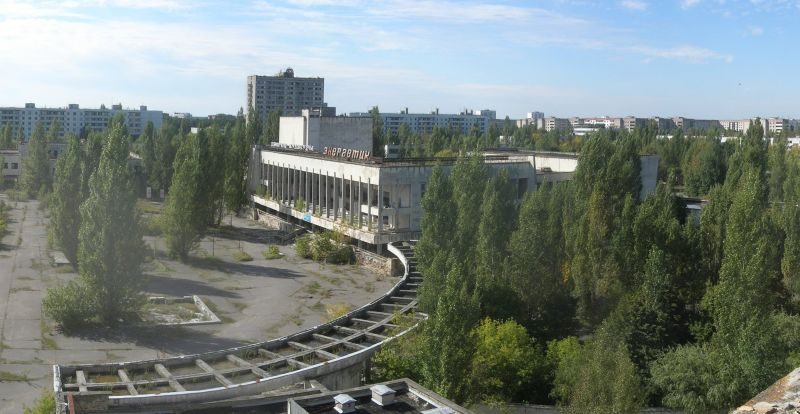
Pripyat abandoned city: 8 Haunting Facts About the Chernobyl Ghost City That Was Evacuated in 36 Hours
On the morning of April 26, 1986, nearly 50,000 people woke up in Pripyat, Ukraine, without any idea their world was about to end. Children went to school. Couples prepared for upcoming weddings. Workers headed to their jobs. The city’s brand new amusement park — with its famous yellow Ferris wheel — was just days away from its grand May Day opening.
Two miles away, Reactor Number 4 at the Chernobyl Nuclear Power Plant had already exploded in the night. Invisible radioactive particles were drifting through the air. And the Soviet government, paralyzed by secrecy, said nothing for 36 hours.
This is the story of Pripyat – the Chernobyl ghost city that became the most famous abandoned place on earth. Here are 8 haunting facts you need to know about Pripyat abandoned city.
Fact 1: Pripyat Was Built as a Model Soviet City
A Showcase of Soviet Life
Pripyat was founded on February 4, 1970 — purpose-built to house the workers and families of the nearby Chernobyl Nuclear Power Plant. But it wasn’t just a company town. It was designed as a showcase of Soviet modernism — a demonstration of what life under communism could achieve.
Wide tree-lined boulevards. Identical apartment towers flooded with light. Modern schools, a large hospital, sports complexes, restaurants, a cinema, a hotel, and a cultural palace. By Soviet standards it was an exceptionally comfortable city. Workers at the nuclear plant were considered an elite class — well-paid, well-housed, with facilities most Soviet citizens could only dream of.
By April 1986, Pripyat had a population of 49,360 people. Its average resident age was just 26. It was one of the youngest, most energetic cities in the Soviet Union.
Fact 2: The Explosion Happened at 1:23 AM — And Nobody Told the City for 36 Hours
The Chernobyl disaster began at exactly 1:23 AM on April 26, 1986, when Reactor Number 4 suffered a catastrophic power surge during a routine safety test. The explosion that followed blew the reactor core open and sent a plume of radioactive material into the atmosphere that would eventually spread across all of Europe.
The first firefighters arrived within minutes. Many had no protective equipment. Some picked up chunks of glowing reactor graphite with their bare hands, receiving lethal radiation doses within minutes. Most died within weeks.
Back in Pripyat, life continued almost completely normally for the entire next day. Children played outside in the contaminated air. The city’s popular fishing spots remained busy. Soviet officials, bound by a culture of secrecy and denial, did nothing. When they finally ordered the evacuation on the afternoon of April 27 — 36 hours after the explosion — they told residents to take only what they needed for 3 days. They would be back shortly. It was a precaution, nothing more.
Most never returned.
Fact 3: 1,200 Buses Arrived and Emptied the City in 3 Hours
The Fastest Evacuation in Soviet History
On the afternoon of April 27, approximately 1,200 buses rolled into Pripyat. Within just 3 hours, nearly 50,000 people had been loaded and driven away from their homes.
They left behind everything. Furniture. Family photographs. Food still on kitchen tables. Clothes in wardrobes. Toys on bedroom floors. Pets were left behind with assurances that someone would return to care for them. Nobody did.
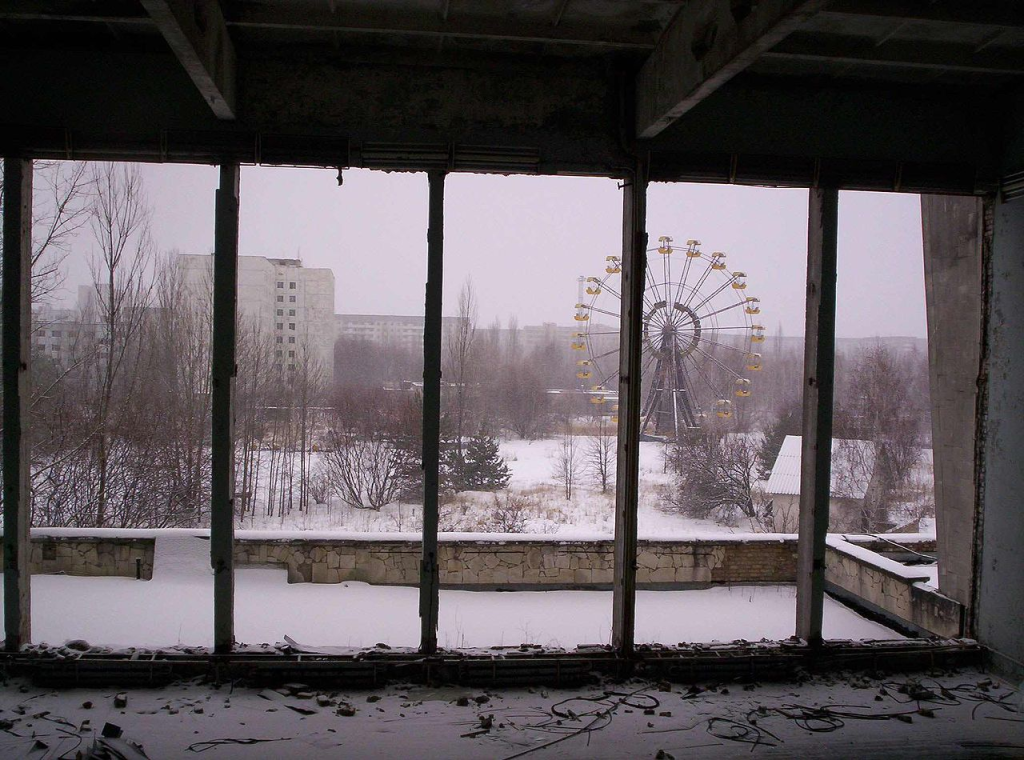
The amusement park never opened. The Ferris wheel never carried a single passenger. The bumper cars never ran. They became, over the following decades, some of the most photographed and most haunting images of the 20th century.
Fact 4: The Chernobyl Ghost City Has Been Frozen in 1986 Ever Since
What makes Pripyat unique among all the world’s abandoned places is the completeness of its preservation. Because the evacuation was so sudden and so total, the Chernobyl ghost city was left exactly as it was on that April morning. It is not a ruin in the traditional sense — it is a time capsule.
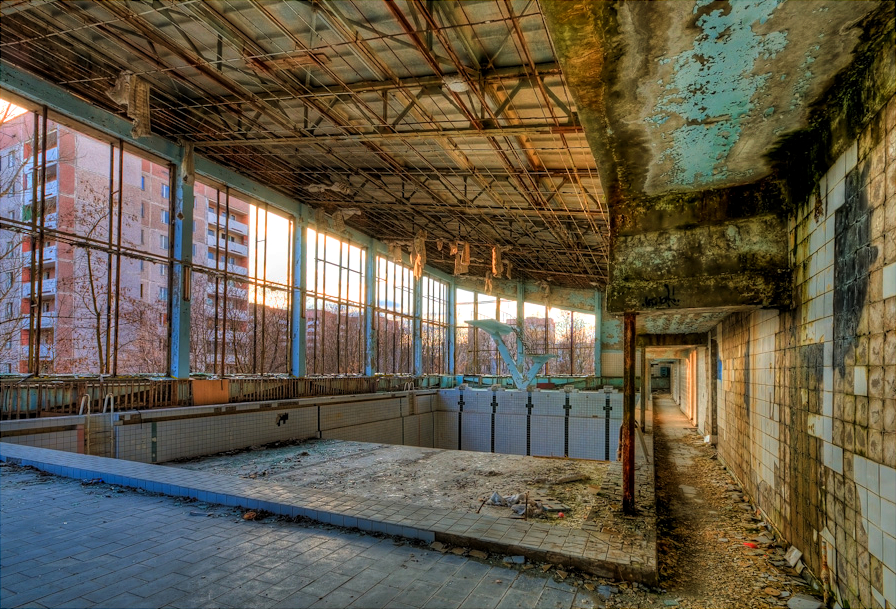
Wedding dresses still hang in wardrobes. Children’s drawings are still pinned to classroom walls. The piano in the cultural palace still sits in the hall where the last concert was played. A swimming pool with a diving board still stands, its tiles cracked and its water long since drained. The famous yellow Ferris wheel of the amusement park — never once operated commercially — still stands against the sky.
Fact 5: Nature Has Completely Reclaimed the Chernobyl Exclusion Zone
Forty years after the evacuation, nature has reclaimed Pripyat with extraordinary speed. Trees grow through apartment floors. Moss covers the walls of the gymnasium. The supermarket shelves are rusted bare. The roads are cracked and overgrown. Wolves, wild horses, lynxes, boars, and dozens of other species have moved into the exclusion zone in large numbers — creating what has become one of the largest accidental nature reserves in Europe.
Scientists have made a strange discovery inside the reactor itself: a black fungus called Cladosporium sphaerospermum appears to be feeding on the radiation, using ionizing energy the way plants use sunlight. Researchers are now studying it as a potential radiation shield for space exploration.
Fact 6: The Pripyat Amusement Park Is the Most Iconic Abandoned Place on Earth
The Pripyat amusement park was scheduled to open on May 1, 1986 — just 5 days after the explosion. It never did. The yellow Ferris wheel, the bumper cars, and the swing ride stand exactly as they were when they were installed, rusting slowly in the contaminated air.
The amusement park has become one of the most photographed locations in the world — appearing in countless documentaries, video games, films, and photographs. It is the defining image of Pripyat, and arguably the single most recognizable symbol of nuclear disaster in popular culture.
Fact 7: Visiting Pripyat Was Possible — But the War Changed Everything
Before Russia’s invasion of Ukraine in February 2022, Pripyat had become a surprisingly popular dark tourism destination. Licensed tours from Kyiv took visitors through the exclusion zone — walking the empty streets, entering the abandoned school and hospital, standing beneath the famous Ferris wheel. At its peak, over 60,000 tourists a year were visiting the Chernobyl exclusion zone.
Those tours were suspended at the start of the war. Russian military forces briefly occupied the exclusion zone in early 2022, raising serious concerns about the safety of the nuclear containment structures. As of 2026, tours remain suspended due to ongoing conflict. The future of tourism to Pripyat depends entirely on the resolution of the war in Ukraine. According to Wikipedia’s detailed article on Pripyat, the city remains abandoned with a population of zero as of 2026.
Fact 8: Chernobyl Today Is Still Radioactive — But People Live There
While Pripyat itself remains empty and off-limits, the wider Chernobyl exclusion zone today has a small permanent population — mostly elderly residents known as “self-settlers” who returned to their homes in the years after the evacuation despite the radiation risks. Estimates suggest around 1,000 people live within the less-irradiated parts of the zone today.
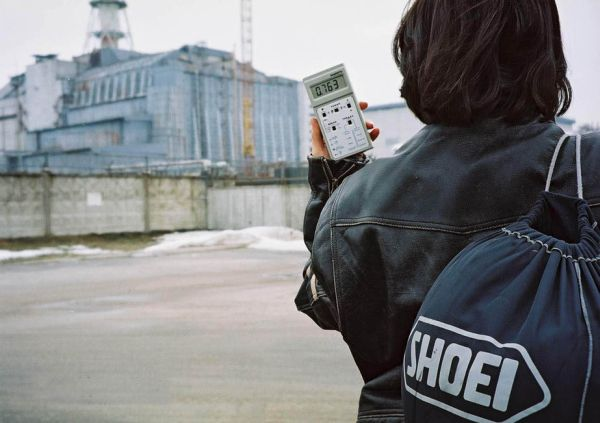
The Chernobyl Nuclear Power Plant itself was finally decommissioned in 2000. A massive New Safe Confinement structure was completed in 2016, encasing the destroyed Reactor Number 4 in a steel arch large enough to contain the Statue of Liberty. It is designed to last 100 years — by which time scientists hope a safer long-term solution will have been developed.
Frequently Asked Questions About Pripyat
Where is Pripyat located?
Pripyat is located in northern Ukraine, approximately 3 kilometers from the Chernobyl Nuclear Power Plant and about 100 kilometers north of Kyiv.
Why was Pripyat abandoned?
Pripyat was abandoned on April 27, 1986 — 36 hours after the explosion of Reactor Number 4 at the nearby Chernobyl Nuclear Power Plant, which released massive amounts of radioactive material into the atmosphere.
Is Pripyat still radioactive?
Yes. Pripyat and the surrounding Chernobyl exclusion zone remain radioactive. Short visits carry minimal health risk, but permanent habitation is still forbidden due to ongoing contamination.
Can you visit Pripyat today?
As of 2026, tours to Pripyat remain suspended due to the ongoing war in Ukraine. Before the war, licensed tours operated regularly from Kyiv. The resumption of tourism depends on the outcome of the conflict.
Interested in other cities frozen in time by sudden disaster? Read our story about Ordos Ghost City: The China Ghost City Built for 1 Million People – That Nobody Wanted – Abandoned Files — a city built for one million people in China that nobody ever moved into.
Pingback: Shicheng: China's Atlantis — The 1,400-Year-Old City Deliberately Drowned Beneath a Lake in 1959 - Abandoned Files