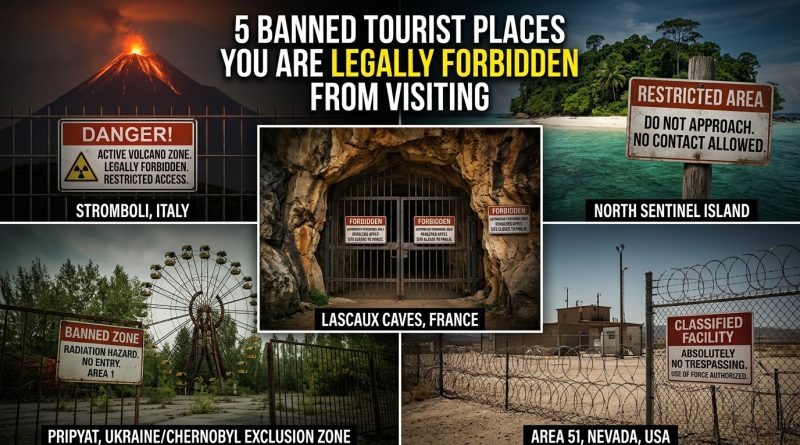
5 Banned Tourist Places You Are Legally Forbidden from Visiting
The human urge to explore is almost entirely driven by curiosity. The more a location is hidden, restricted, or sealed away from public eyes, the more we long to see what lies inside. While modern aviation and digital mapping make it feel like every corner of the globe is accessible, the truth is that some of the most fascinating coordinates on Earth are completely off-limits. Across continents, there are banned tourist places protected by naval blockades, heavily armed military personnel, and strict international laws.
These are not standard vacation spots with restricted seasonal hours; these are the most forbidden places on Earth. Some were permanently sealed to preserve fragile pieces of lost history from human destruction, while others present environmental hazards so lethal that stepping foot on their shores carries a literal death sentence.
To explore these forbidden places in the world is to look at a map of areas where global tourism is completely illegal, and where unauthorized entry results in immediate arrest, heavy fines, or worse.
1. Ilha da Queimada Grande (Snake Island), Brazil
Located roughly 21 miles off the coast of São Paulo, Brazil, sits Ilha da Queimada Grande. To the untrained eye, this jagged, emerald-green island looks like an idyllic tropical paradise. But to global governments and marine biologists, it is known exclusively as “Snake Island”—unquestionably one of the most terrifying banned tourist places on earth.
The island is completely closed to the general public, and the Brazilian Navy maintains a strict military blockade around its perimeter. The reason for this ban is simple: the island is the exclusive home of the golden lancehead viper (Bothrops insularis), one of the most venomous pit vipers on the planet.
The Dynamics of an Isolated Ecosystem:
- Population Density: Estimates suggest there is roughly one lethal viper for every square meter of land in certain zones of the island.
- Evolutionary Hazard: Because these snakes evolved on an island with no natural ground predators, their venom adapted to hunt migratory birds, developing a chemical composition up to five times more potent than mainland vipers.
- The Bite Effect: The venom of a golden lancehead is hemotoxic, capable of literally melting human flesh and muscle tissue around the puncture site within hours of contact.
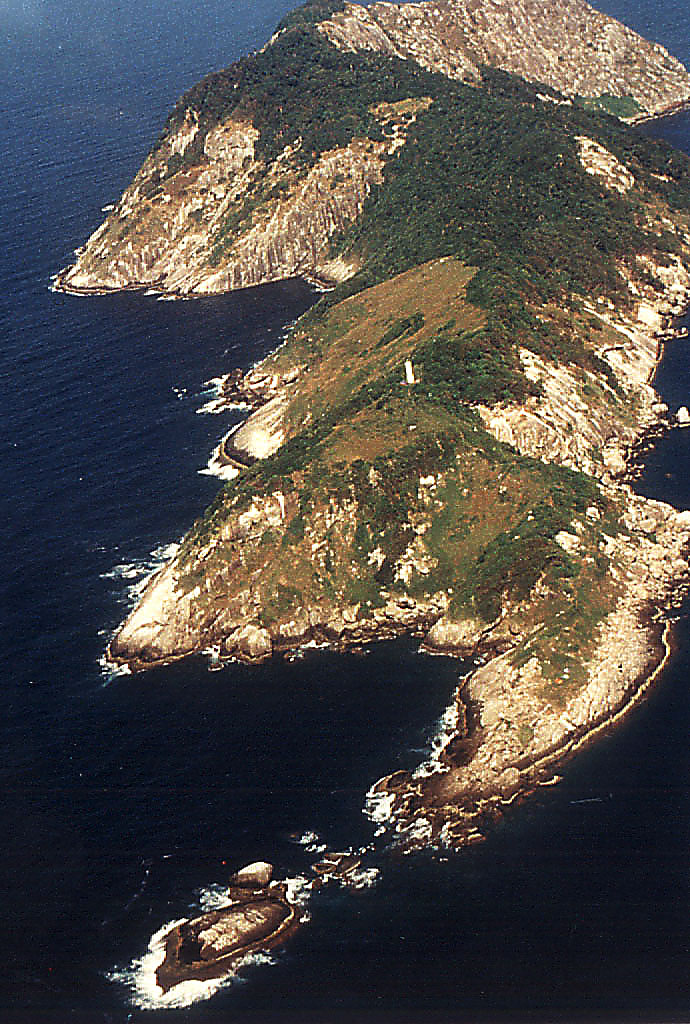
The Brazilian government completely banned public access to protect both human lives and the critically endangered vipers themselves. The only individuals legally permitted to bypass the naval blockade are highly specialized scientific researchers from the Chico Mendes Institute for Biodiversity Conservation, and even then, their teams are legally required to bring an advanced medical doctor along on every single expedition in case of a breach.
2. The Lascaux Caves, France
Not all forbidden places in the world are closed because of physical dangers; some are locked away to preserve irreplaceable artifacts of human civilization. Deep within the Dordogne region of southwestern France lies the Lascaux Cave complex, a breathtaking subterranean treasure trove containing some of the most famous Upper Paleolithic cave paintings ever discovered.
Unearthed by a group of teenagers in 1940, the cave walls are adorned with stunningly vivid, 17,000-year-old depictions of large animals, including stags, bison, cattle, and extinct prehistoric predators. Following World War II, Lascaux was opened to global tourism, quickly becoming one of the most popular historical attractions in Europe.
[1940: Cave Discovered] ──> [1948: Opened to Global Tourism] ──> [1963: Permanent Ban Implemented] ──> [1983: Replica Cave Opened] ──> [Modern Day: Total Isolation]
However, the sudden influx of thousands of tourists per day completely disrupted the delicate cave environment. The carbon dioxide from visitors’ breath, combined with the artificial lighting, body heat, and humidity, created a devastating ecological footprint. Toxic black mold, white fungus, and destructive microbes began aggressively spreading across the porous stone walls, systematically eating away at the ancient pigments.
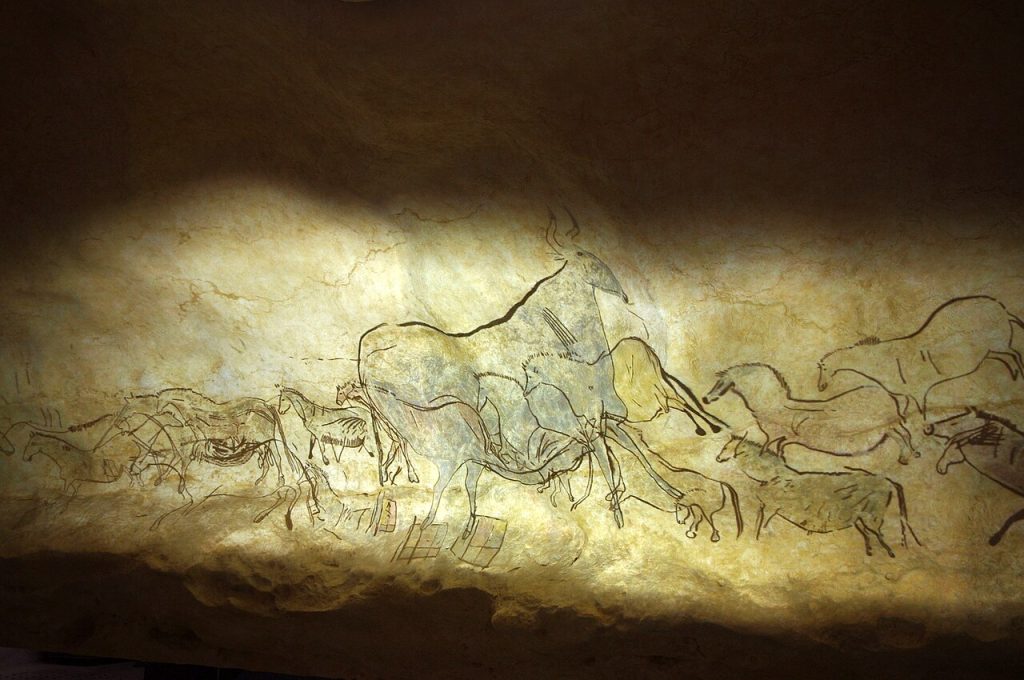
Recognizing that human presence would permanently erase this priceless piece of history, the French government implemented a total, permanent ban on public entry in 1963. Today, the cave is protected by heavy vault doors and advanced climate-control systems. To satisfy public curiosity without risking the original art, authorities constructed an incredibly detailed, millimeter-accurate replica known as Lascaux II nearby, ensuring the original site remains completely pristine.
3. North Sentinel Island, India
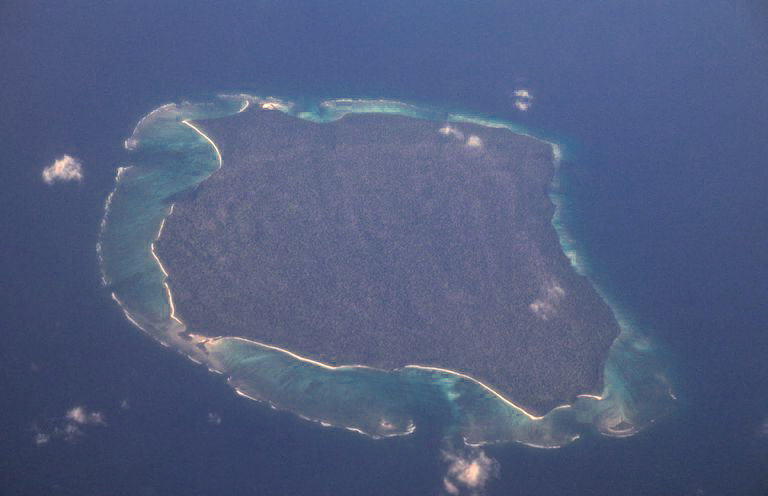
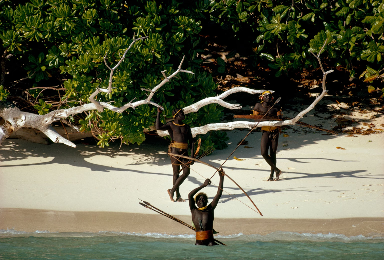
Hidden within the isolated waters of the Bay of Bengal lies North Sentinel Island, a densely forested outpost that represents the ultimate frontier of human isolation. Politically part of the Andaman and Nicobar Islands of India, this territory is one of the absolute most heavily enforced banned tourist places in existence.
The island is inhabited by the Sentinelese tribe, a community of indigenous hunter-gatherers who have lived in total isolation from the outside world for an estimated 50,000 years. They have consistently, violently rejected any form of external contact. Anyone who attempts to approach the island’s shallow reefs is immediately met with volleys of arrows and spears.
The Indian government enforces a strict five-nautical-mile exclusion zone around the island, patrolled around the clock by the Indian Navy and Coast Guard. This total ban serves a critical dual purpose:
- Preventing Violence: History has proven that any unauthorized entry ends in tragedy. In 2006, two local fishermen whose boat drifted into the shallows were killed by the tribe, and subsequent illegal expeditions by thrill-seekers have met similar fates.
- Biological Survival: Because the Sentinelese have been completely isolated for millennia, their immune systems have zero exposure to common global illnesses. A simple common cold or influenza virus carried by a casual tourist could easily wipe out the entire population in a matter of weeks.
4. Tomb of Qin Shi Huang, China
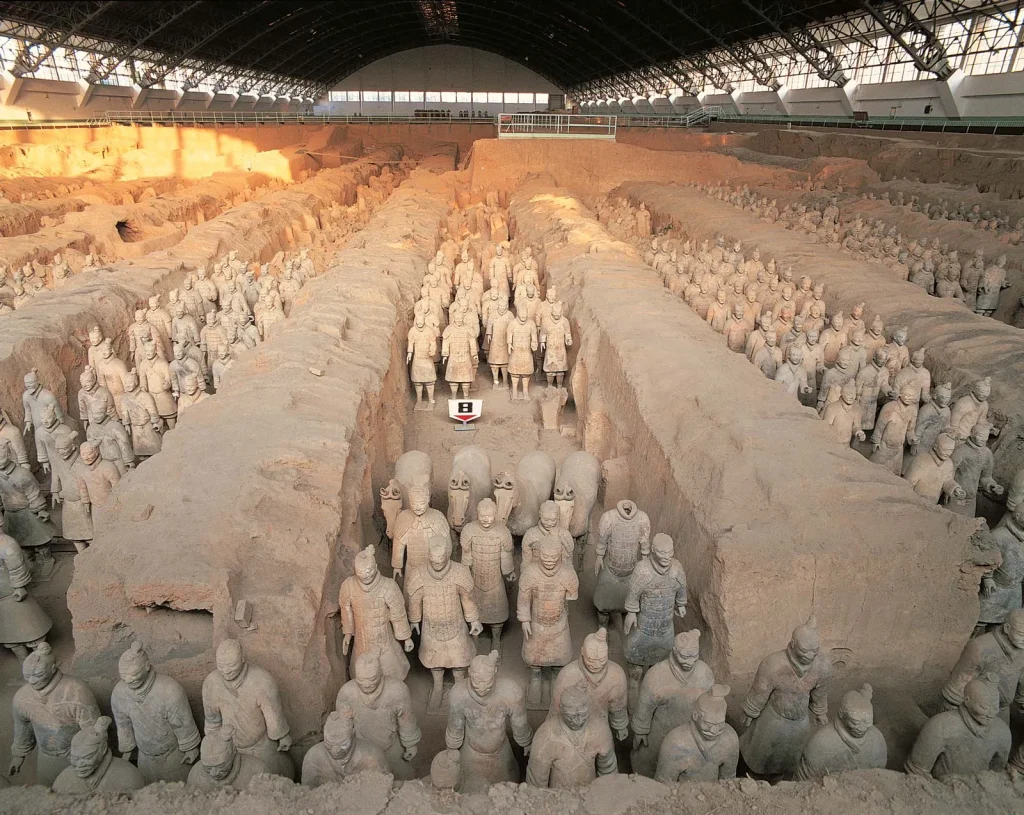
In 1974, local farmers digging a well in Xi’an, China, stumbled upon one of the greatest archaeological discoveries in human history: the Terracotta Army. Thousands of life-sized, uniquely detailed clay soldiers, horses, and chariots stood in silent battle formation, buried to guard the final resting place of Qin Shi Huang, the brutal first Emperor of a unified China who died in 210 B.C.
While tourists can legally view the excavated outer pits containing the clay soldiers, the central burial mound housing the Emperor’s actual tomb remains completely forbidden. It is a locked door that has not been opened for over 2,200 years.
The Chinese government maintains a total ban on excavating the central tomb, primarily due to severe technological limitations. When the first terracotta warriors were uncovered, their brilliant, vibrant paint coatings peeled and faded within seconds of being exposed to the dry air. Until preservation technology guarantees that the interior artifacts can be excavated without immediate destruction, the tomb will remain sealed.
Furthermore, ancient historical records suggest the tomb is rigged with deadly, defensive traps. The historic chronicler Sima Qian wrote that the tomb contains mechanical crossbows primed to shoot intruders, and that the burial chamber features simulated flowing rivers created from massive quantities of liquid mercury. Modern soil testing around the mound has confirmed abnormally high, toxic levels of mercury, adding a physical layer of danger to this monument of lost history.
5. Inner Zone of Chernobyl Reactor 4, Ukraine
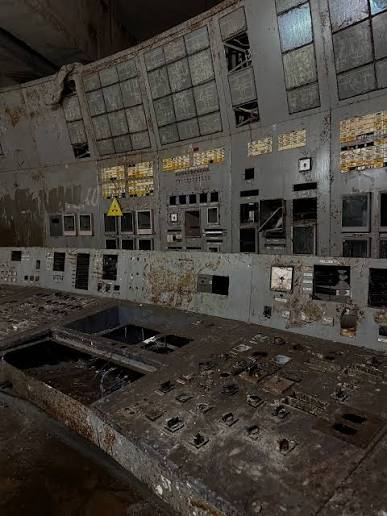
While the broader 30-kilometer Chernobyl Exclusion Zone has hosted controlled, state-regulated tourism for years, the absolute inner core of the facility—specifically the highly restricted rooms surrounding the ruins of Reactor 4—remains one of the most dangerous and heavily guarded banned tourist places in the world.
Following the catastrophic nuclear meltdown on April 26, 1986, crews constructed a massive concrete structure known as the Object Shelter (or Sarcophagus) to contain the highly radioactive debris. In recent years, this was further enclosed by the New Safe Confinement structure.
The transition from a bustling industrial hub to a post-apocalyptic wasteland mirrors the profound architectural collapse found within our investigations into America’s abandoned luxury houses. In both settings, a sudden, catastrophic shift in human history left massive structures to face complete, unyielding decay.
Inside the restricted inner zones of Reactor 4 sits the “Elephant’s Foot”—a massive, solid mass of corium formed from melted nuclear fuel, shielding, and concrete. During its initial formation, spending just 300 seconds in its presence meant guaranteed death within days due to acute radiation sickness. Even today, the ambient radiation levels within these inner rooms can scramble digital camera sensors and inflict fatal cellular damage on unprotected humans, making it a permanent fixture on the list of forbidden zones.
The Irresistible Allure of the Forbidden
The existence of these most forbidden places highlights a fundamental truth about human nature: our curiosity increases when something is hidden away. Whether it is a toxic radioactive bunker in Ukraine, a viper-infested island in Brazil, or an ancient tomb sealed behind ancient mercury rivers, these coordinates command our respect.
According to global travel tracking indices and geographical mapping authorities like National Geographic, keeping these sites locked away is essential for the survival of our planet’s remaining mysteries. By banning human footprints, we allow fragile ecosystems to thrive, ancient history to survive, and dangerous forces to remain safely contained within the shadows.
Pingback: The Tragic Ghost Castle of Belgium: The Rise and Fall of Château de Noisy - Abandoned Files