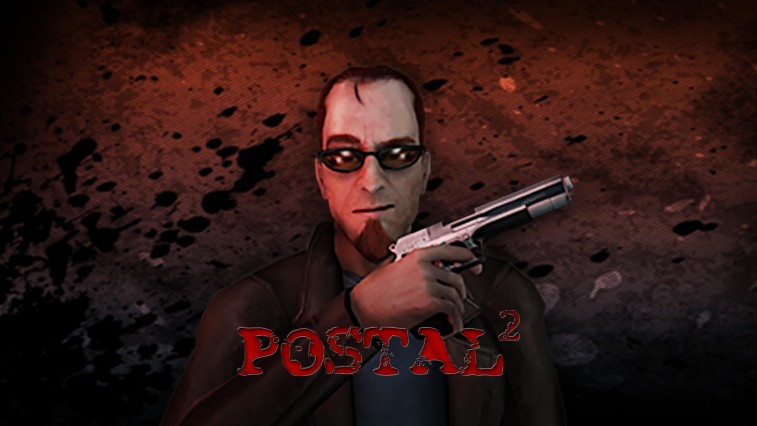
9 Reasons Postal 2 Became One of the Most Controversial Banned Video Games Ever Made
When people talk about banned video games, a few names always come up: Manhunt 2, Carmageddon, and Postal 2. But while many controversial games eventually became mainstream classics, Postal 2 remained proudly offensive, chaotic, and intentionally provocative.
Released in 2003 by indie developer Running with Scissors, the game allowed players to roam an open-world town while completing absurd errands or, causing total mayhem. Its dark humor, extreme violence, and lack of moral restraint made it one of the most notorious examples of video game censorship in gaming history.
Even today, the Postal 2 banned game controversy continues to fascinate gamers, critics, and historians alike.
What Is Postal 2?
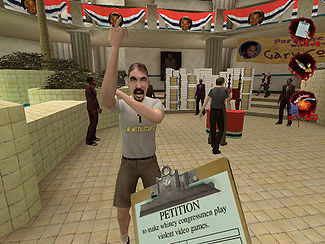
Postal 2 is a first-person open-world game set in the fictional town of Paradise, Arizona. Players control “The Postal Dude,” a cynical and foul-mouthed protagonist trying to survive an increasingly bizarre week of errands.
Unlike most action games, the story objectives are intentionally mundane:
- Buy milk
- Return a library book
- Cash a paycheck
- Visit the butcher
The twist is that players can complete these tasks peacefully—or descend into anarchic violence. The game imposes almost no moral consequences, allowing players to attack civilians, use outrageous weapons, and create chaos throughout the town.
This freedom became the core of both its cult appeal and its controversy.
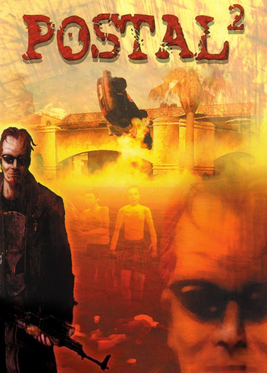
Reason #1 – Extreme and Gratuitous Violence
The biggest factor behind the Postal 2 banned game reputation was its over-the-top violence.
Players could use weapons such as:
- Shotguns
- Rocket launchers
- Molotov cocktails
- Chainsaws
- Explosives
The game also featured disturbing mechanics involving mutilation, fire damage, and exaggerated gore. Unlike many shooters, violence in Postal 2 was not tied to a heroic narrative or military conflict. It was chaotic, absurd, and often directed at civilians.
Critics argued that the game encouraged cruelty for entertainment value alone.
Reason #2 – It Allowed Players to Attack Civilians Freely
Most games place limits on player behavior. Postal 2 deliberately removed many of those boundaries.
Players could attack almost anyone in the game world, including non-hostile civilians. Police would eventually respond, but the game’s design emphasized freedom and escalation rather than restraint.
This lack of moral structure alarmed many reviewers and regulators, who saw it as a simulation of random violence rather than traditional gameplay.
Reason #3 – The Humor Was Intentionally Offensive
Postal 2 was not just violent—it was aggressively satirical and offensive.
The game mocked politics, religion, consumer culture, celebrity culture, and social stereotypes. Dialogue was filled with profanity, crude jokes, and provocative references designed to shock players.
Developer Running With Scissors openly embraced controversy as part of the game’s identity. Rather than apologizing for criticism, the studio often responded with more satire and dark humor.
This approach gained the game a devoted cult following but also intensified backlash from critics and media outlets.
Reason #4 – Several Countries Restricted or Banned It
Because of its content, Postal 2 faced censorship and bans in multiple regions.
### H3: New Zealand
New Zealand banned the game outright due to its violent content and offensive themes.
### H3: Germany
Germany imposed strict restrictions, and the game was effectively prohibited from normal commercial distribution for many years.
### H3: Australia
Australia refused classification for certain versions and expansions, preventing legal sale at the time.
These actions helped cement Postal 2 as one of the most recognizable banned video games of the 2000s.
Reason #5 – It Became a Lightning Rod in the Violence Debate
The early 2000s were a period of intense debate over violent media. Politicians, parents’ groups, and news organizations frequently argued that violent games could influence real-world behavior.
Postal 2 became an easy target because it lacked the cinematic framing or emotional storytelling found in other controversial games. Its absurd violence appeared, to critics, as violence for its own sake.
News reports often highlighted the game’s most shocking features, amplifying public concern and turning it into a symbol of everything critics disliked about modern gaming.
Reason #6 – The Developers Leaned Into the Controversy
Many studios try to distance themselves from controversy. Running With Scissors did the opposite.
The company marketed Postal 2 with slogans emphasizing its offensiveness and anti-establishment attitude. This rebellious image appealed to players who saw the game as a satire of censorship and moral panic.
The strategy worked commercially: controversy generated massive publicity for a relatively small indie game.
For more information about the developer and the franchise, readers can visit the official Running With Scissors website at https://runningwithscissors.com/.
Reason #7 – Critics and Fans Interpreted It Very Differently
One reason the Postal 2 banned game debate remains interesting is that people experienced the game in radically different ways.
- Critics saw it as nihilistic and irresponsible.
- Fans often viewed it as absurdist satire mocking American culture and media hysteria.
Supporters argued that the game’s exaggerated tone made it impossible to take seriously. They compared it to offensive comedy films or satirical cartoons rather than realistic violence.
This split highlighted a broader cultural question: should offensive art be protected even when many people find it distasteful?
Reason #8 – It Influenced Later Open-World Games
Although never mainstream, Postal 2 helped demonstrate the appeal of open-world freedom and emergent chaos.
Later sandbox games offered players increasing amounts of agency, though usually with more narrative structure and moral framing. The game’s cult status also showed that controversial titles could build loyal communities even without critical approval.
In that sense, Postal 2 became an important historical artifact in the evolution of open-world game design.
Reason #9 – Censorship Made It More Famous
As with many banned works, attempts to suppress Postal 2 only increased curiosity.
Gamers wanted to see what was so shocking that governments and regulators tried to restrict it. The game’s notoriety became part of its identity, turning it into a legendary “forbidden” title among players.
This phenomenon—the idea that censorship can create additional attention—has followed the game for decades.
The Legacy of Postal 2
Today, Postal 2 occupies a strange place in gaming history.
It was never a critically acclaimed blockbuster, yet it became one of the most discussed controversial games ever made. Its combination of extreme violence, offensive satire, and anti-authoritarian marketing turned it into a cultural flashpoint.
The game also helped shape discussions about:
- Freedom of expression in games
- The role of ratings boards
- Media moral panics
- Player agency in open-world design
Whether viewed as tasteless shock entertainment or a bizarre piece of satirical art, Postal 2 remains impossible to ignore in any history of controversial video games.
Nearly twenty years after its release, Postal 2 is still remembered as one of the most infamous examples of video game censorship and controversy.
Its unrestricted violence, offensive humor, and open defiance of social norms made it a lightning rod for criticism and a cult favorite for players seeking something deliberately outrageous.
The Postal 2 banned game controversy ultimately revealed more than just public attitudes toward one game. It exposed the broader tension between artistic freedom, commercial entertainment, and society’s attempts to define acceptable boundaries for interactive media.
Also read about: 7 Reasons Why Manhunt 2 Became One of the Most Banned Video Games Ever Made – Abandoned Files
Pingback: 8 Dark Secrets Behind Rule of Rose – The Banned Video Game That Sparked Global Controversy - Abandoned Files