Beelitz-Heilstätten: The Abandoned Hospital Near Berlin Where Hitler Recovered – And 1 Serial Killer Hunted
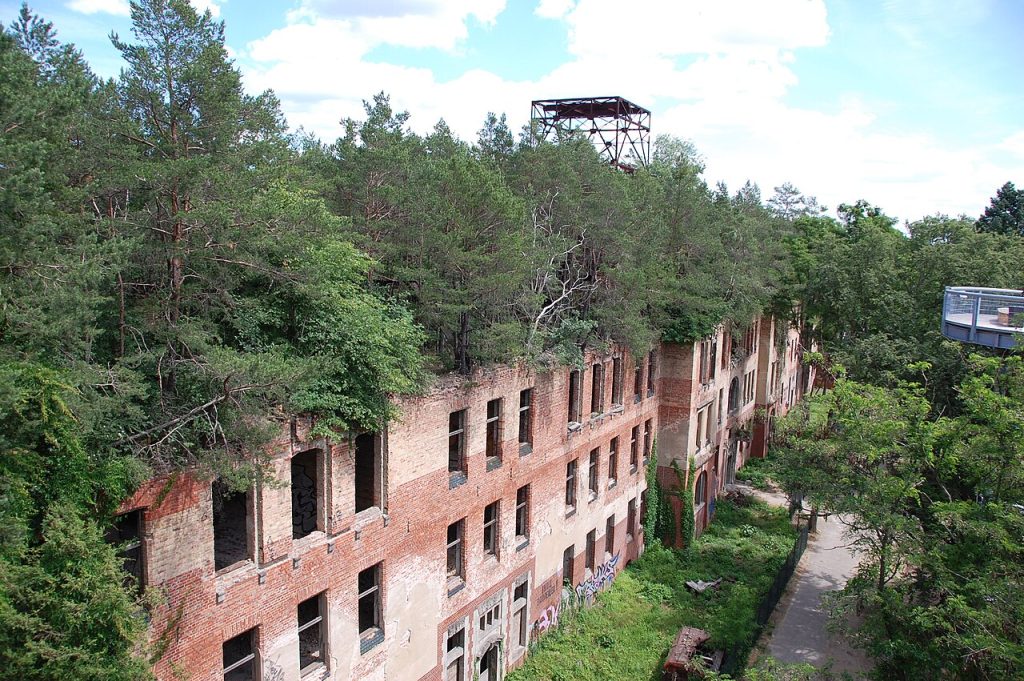
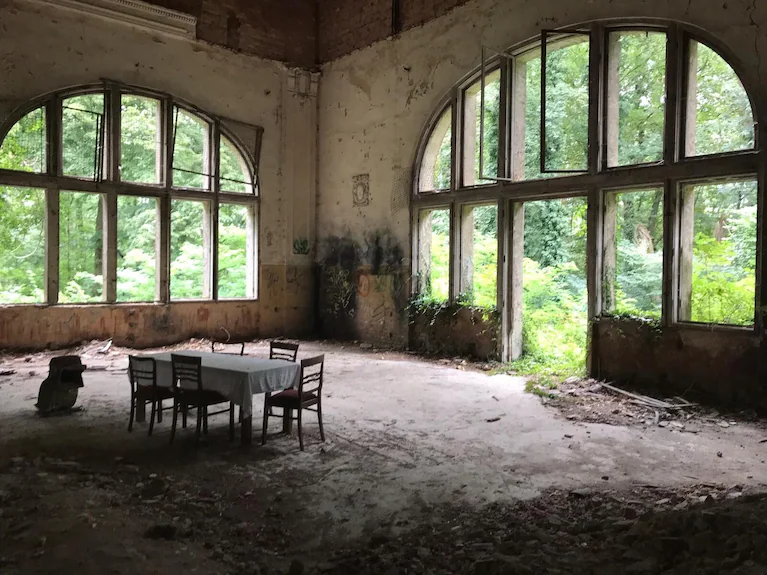
In the forests southwest of Berlin, 60 buildings spread across 200 hectares of woodland. Grand redbrick structures with elegant early-20th-century architecture. Broken windows. Peeling paint. Interiors that tell stories of a century of suffering, secrecy, and darkness.
Beelitz-Heilstätten is one of the most haunted and historically significant abandoned complexes in Europe. It treated a 27-year-old corporal named Adolf Hitler after the Battle of the Somme in 1916. It was seized by the Soviet Red Army in 1945 and operated as a secret military hospital for nearly 50 years. A serial killer murdered at least 3 women in its abandoned buildings in the 1980s.
And today – remarkably – much of it is open to the public.
How Beelitz-Heilstätten Was Built and What It Was For
Built for the Sick Poor of Berlin
Beelitz-Heilstätten was constructed between 1898 and 1930 by the Berlin Workers’ Insurance Fund. Its purpose was to provide tuberculosis treatment for the working poor of Berlin — at a time when TB was the leading cause of death in urban Europe, killing tens of thousands of Berliners annually.
The treatment approach of the era was simple: fresh air, good food, rest, and a healing environment. Beelitz was designed to provide all of these in abundance. At its peak, the complex could house over 1,200 patients in separate pavilions for men and women, with state-of-the-art heating, indoor plumbing, and electricity.
The architecture was deliberately beautiful. The founders believed that elegant, calming surroundings aided physical recovery. The result was a complex of extraordinary elegance — one of the finest examples of early 20th century institutional architecture in Germany.
The Hitler Connection: 1916
In October 1916, infantry corporal Adolf Hitler was brought to Beelitz-Heilstätten after being wounded in the left thigh during the Battle of the Somme on the Western Front. He spent nearly 2 months recovering at the hospital before returning to front-line duty.
The building where Hitler was treated still stands. What, if any, significance his stay had on his later development is a question for historians. What is certain is that this uncomfortable historical connection gives Beelitz-Heilstätten an added layer of darkness — the knowledge that one of history’s most destructive figures walked these now-abandoned corridors, and recovered here to continue his path toward catastrophe.
50 Years of Soviet Secrecy
After World War Two, the Red Army seized Beelitz-Heilstätten and converted it into a military hospital for Soviet forces stationed in East Germany. For nearly 50 years, it operated entirely under Soviet control — completely inaccessible to German civilians, with no public information about what occurred inside.
At its peak under Soviet operation, the hospital treated tens of thousands of patients — including soldiers wounded during the Soviet-Afghan War in the 1980s. When the Soviet Union collapsed and Russian forces withdrew from Germany in 1994, Beelitz-Heilstätten was handed back to German authorities and immediately abandoned.
The Serial Killer of Beelitz
In the late 1980s, a man named Wolfgang Großmann used the abandoned sections of Beelitz-Heilstätten as hunting grounds. Großmann murdered at least 3 women in or near the abandoned buildings between 1988 and 1989. He was convicted in 1991 and sentenced to life imprisonment. The case added a layer of genuine criminal darkness to a place already heavy with historical weight.
Beelitz-Heilstätten Today: From Ruins to Tourist Attraction
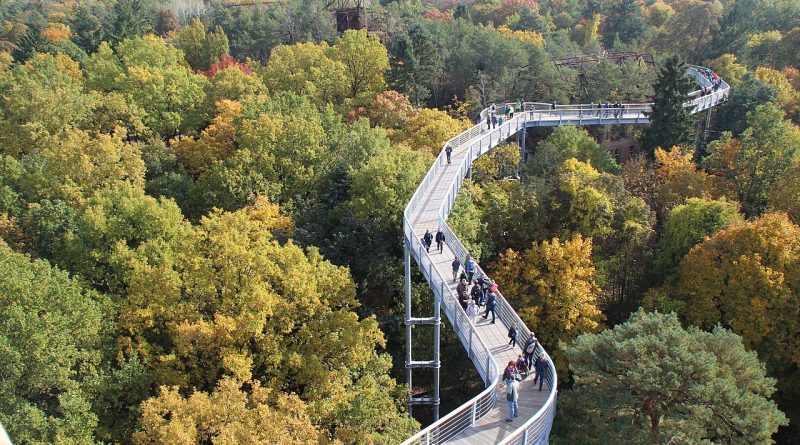
Today Beelitz-Heilstätten is one of Germany’s most visited abandoned sites. A treetop walkway attraction allows visitors to walk above the ruins and look down into the decaying buildings. Guided tours operate through some sections. According to Wikipedia’s article on Beelitz-Heilstätten, the complex has been used as a filming location for numerous productions including Roman Polanski’s The Pianist and the Tom Hanks film The Terminal.
One wing has been converted into a neurological rehabilitation center that still operates today — meaning the site functions simultaneously as an active medical facility, a tourist attraction, and an abandoned ruin. It is one of the strangest juxtapositions of the living and the dead anywhere in Europe.
Frequently Asked Questions About Beelitz-Heilstätten
Where is Beelitz-Heilstätten?
Beelitz-Heilstätten is located in the town of Beelitz, approximately 40 kilometers southwest of Berlin in the state of Brandenburg, Germany.
Can you visit Beelitz-Heilstätten?
Yes. The Baumkronenpfad (treetop walkway) is open to visitors and provides elevated views over the ruins. Guided tours of some buildings are available. Some sections remain closed for safety reasons.
Is Beelitz-Heilstätten really where Hitler was treated?
Yes. Historical records confirm that Adolf Hitler was a patient at Beelitz-Heilstätten for approximately 2 months in late 1916, recovering from a shrapnel wound received at the Battle of the Somme.
What films were shot at Beelitz-Heilstätten?
Notable films include The Pianist (2002), The Terminal (2004), and Valkyrie (2008), among numerous German television productions.
Also explore [Buzludzha Monument] – another extraordinary abandoned structure in Eastern Europe with a dark political history.
Pingback: Kubrick Napoleon film: The Greatest Film Never Made - 7 Shocking Facts About Hollywood's Most Legendary Abandoned Project - Abandoned Files