10 Banned Video Games That Were So Controversial They Were Pulled From Shelves Around The World
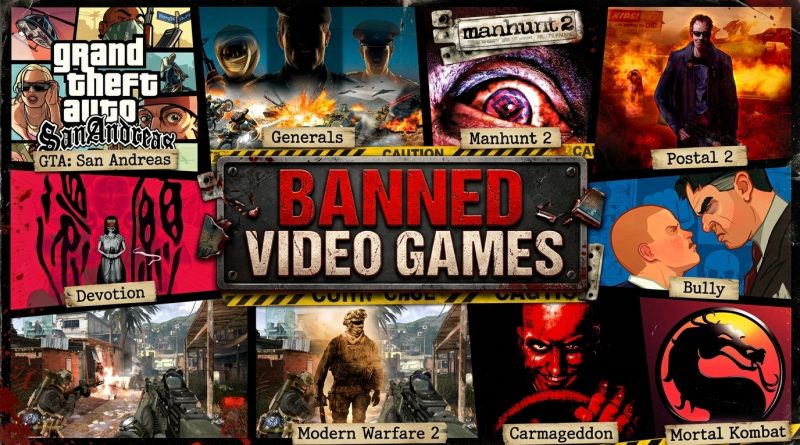
Banned video games are nothing new. Ever since pixels first bled red on a screen, governments, censorship boards, and angry parents have been trying to pull games off shelves. But some games didn’t just push boundaries — they obliterated them. They sparked international outrage, triggered real-world lawsuits, got linked to actual crimes, and were banned in entire countries. These are the 10 most controversial banned video games ever made — and the extraordinary stories behind each ban.
Game 1: Manhunt (2003) — The Game Linked to a Real Murder
What Made It So Controversial
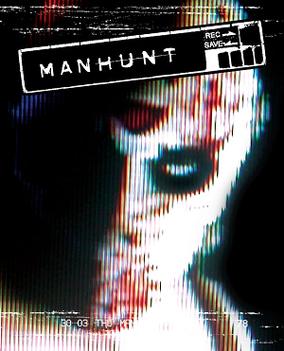
Manhunt is widely considered one of the most disturbing video games ever created. Developed by Rockstar Games, players take the role of a death row inmate forced to execute gang members on camera for a deranged film director — with the game actively rewarding the most brutal and graphic kills possible. The more violent the execution, the higher the score. It was banned in New Zealand, Australia, Germany, Ireland, and several other countries on release.
The Real Murder Connection
In 2004, a 17-year-old boy named Stefan Pakeerah was murdered in Leicester, UK. Police initially suggested his killer had been obsessed with Manhunt. The story exploded globally — stores pulled the game from shelves overnight and calls for a permanent UK ban were immediate. However, the connection was later disputed by the trial judge, who found no evidence the game influenced the crime. Nevertheless the damage was done. Manhunt became the defining symbol of video game violence for an entire generation.
Game 2: Carmageddon (1997) — Running Over Pedestrians For Points
The Carmageddon Controversy Explained
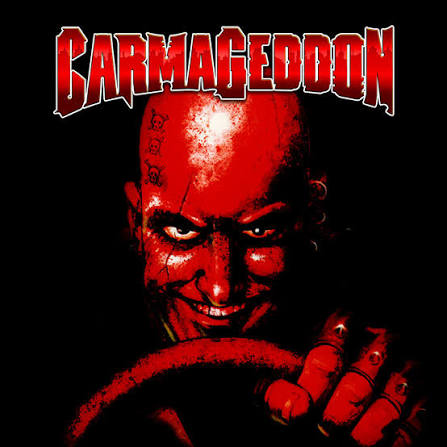
The Carmageddon controversy began the moment the game’s mechanics became public. Inspired by the 1975 cult film Death Race 2000, Carmageddon was a racing game where players could score bonus points by deliberately driving over pedestrians — complete with graphic splatter animations and bonus time added for each victim. You could win races by finishing first, destroying all rival cars, or simply killing every pedestrian on the track.
The UK’s censorship board banned it outright. Germany banned it. India banned it. The developers were forced to replace human pedestrians with zombies and robots to get the game released in restricted markets — one of the most surreal compromises in gaming history. The Carmageddon controversy is notable because it helped trigger serious discussions about video game rating systems that eventually led to stronger censorship frameworks across Europe and beyond.
Game 3: Grand Theft Auto: San Andreas (2004) — The Hot Coffee Scandal
What Was the Hot Coffee Mod?
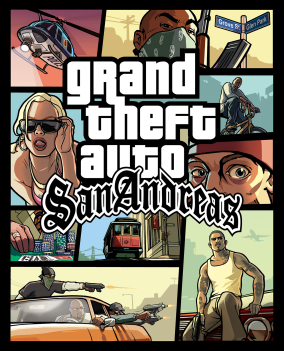
The entire GTA series has faced bans and restrictions in multiple countries over its celebration of crime, violence, and moral anarchy. But the single most explosive moment in the franchise’s controversial history came with San Andreas and the discovery of the “Hot Coffee” mod — a hidden sex mini-game buried deep within the game’s code that was never intended to be accessible to players.
When a modder unlocked it in 2005, the fallout was catastrophic. The US Congress held hearings. The FTC launched an investigation into Rockstar. Australia immediately pulled San Andreas from all store shelves. The game’s rating was changed to Adults Only in the United States — effectively banning it from most major retailers. Rockstar was forced to recall millions of copies and release a modified version with the content removed. The Hot Coffee scandal remains one of the most damaging controversies in gaming history.
Game 4: Mortal Kombat (1992) — The Game That Created Age Ratings
Mortal Kombat didn’t just get banned — it fundamentally changed the entire video game industry. When the original arcade game reached home consoles in 1993, its graphic fatality finishing moves — where players could rip out spines, tear off heads, and reduce opponents to bloody skeletons — triggered a US Senate hearing led by Senators Joe Lieberman and Herb Kohl. The hearings directly resulted in the creation of the Entertainment Software Rating Board (ESRB) in 1994 — the age rating system still used on every video game sold in America today. Mortal Kombat didn’t just get banned in some countries. It literally rewrote the rules of the entire industry.
Game 5: Call of Duty: Modern Warfare 2 (2009) — The No Russian Mission
What Happened in No Russian
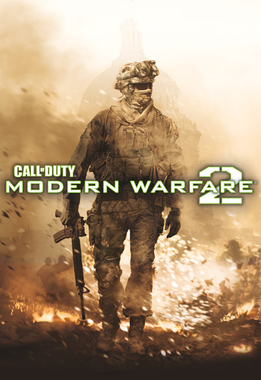
Call of Duty: Modern Warfare 2 was one of the most anticipated games of 2009. But its release was overshadowed by a single mission — “No Russian” — in which players went undercover as a terrorist and participated in a mass shooting at a Moscow airport, killing hundreds of civilian NPCs. The mission was optional and could be skipped, but that did not stop the global outrage.
Russia banned the game entirely. Several other countries required the No Russian mission to be removed before the game could be sold. The debate it triggered — about the responsibility of game developers when depicting terrorism and civilian casualties — continues to this day. No Russian remains the single most controversial mission in the history of the Call of Duty franchise.
Game 6: Postal 2 (2003) — Banned in 13 Countries
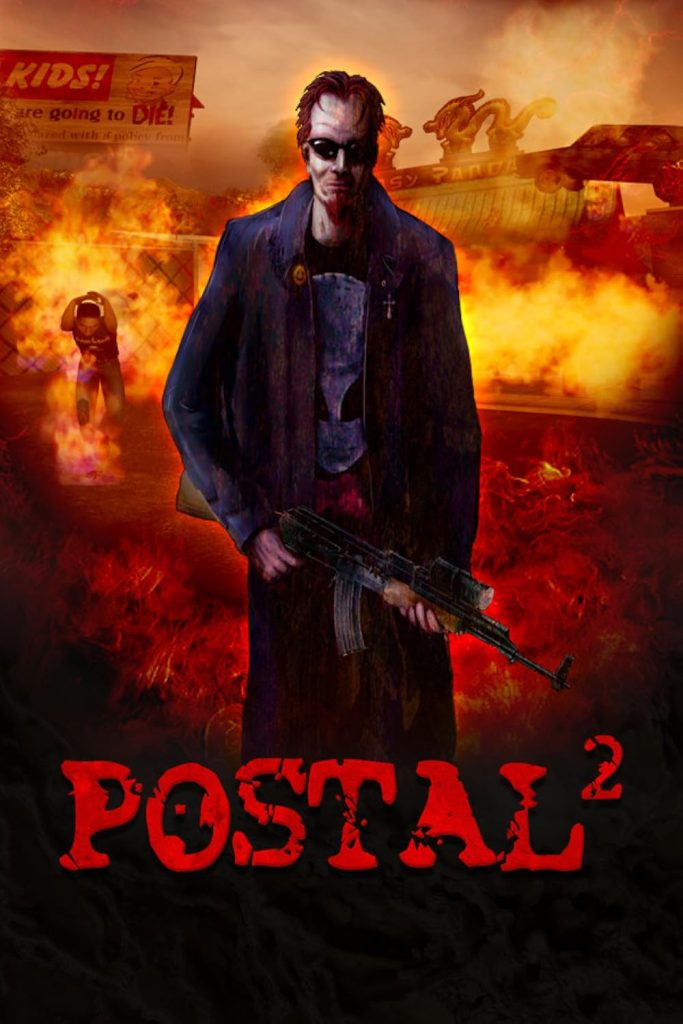
Postal 2 holds the record for being one of the most widely banned video games in history — officially banned in at least 13 countries including Australia, New Zealand, Sweden, Finland, Germany, and Malaysia. The game placed players in an open world with complete freedom to interact with NPCs — and no restrictions whatsoever on violence. Players could urinate on civilians, set them on fire, decapitate them with a shovel, or use a cat as a silencer for a shotgun. The developers, Running With Scissors, seemed to embrace each new ban as free publicity — calling themselves “the most banned game developers in history.”
Game 7: Bully (2006) — The Game About School Bullying
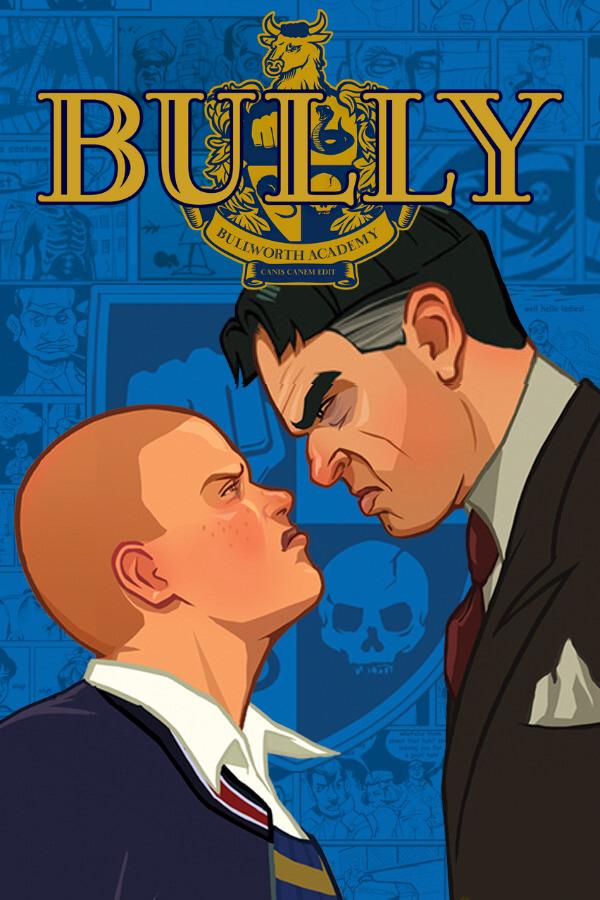
Before Bully was even released, governments around the world were calling for it to be banned — based purely on its premise. A Rockstar game set in a school where players could bully other students? The moral panic was immediate. Florida attorney Jack Thompson — who had already made a career of attacking violent video games — filed court injunctions demanding the game be suppressed before anyone had even played it. In reality, Bully turned out to be a relatively mild coming-of-age story with no more violence than a typical teen film. Brazil banned it anyway. The ban was eventually overturned by a Brazilian court. Bully remains a case study in moral panic over video games triumphing over actual content analysis.
Game 8: Command & Conquer Generals (2003) — Banned for Political Content
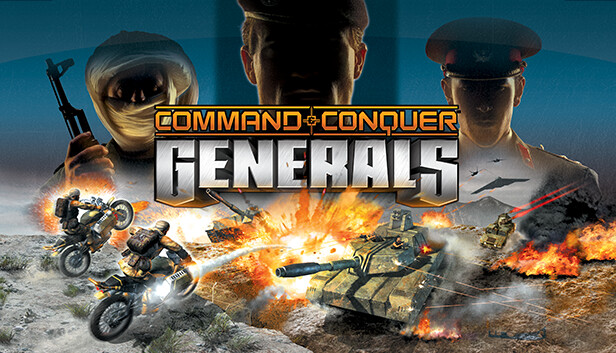
Not all banned video games are controversial for violence. Command & Conquer Generals was banned in China because it depicted the Chinese military as a terrorist organization — and included missions involving the bombing of the Chinese Three Gorges Dam and terrorist attacks in Chinese cities. The Chinese government objected strongly to the portrayal and banned the game outright. It remains one of the clearest examples of how political content — rather than graphic violence — can get a game banned in certain markets.
Game 9: Manhunt 2 (2007) — Banned Everywhere
If the original Manhunt was controversial, its sequel was nuclear. Manhunt 2 was initially refused classification — effectively banned — in the UK, Ireland, Australia, and Italy simultaneously. The British Board of Film Classification rejected it twice, describing it as having “unremitting bleakness and casual sadism” that went beyond what could be justified in any context. It was the first game to be outright banned in the UK since Carmageddon in 1997. Rockstar eventually released a heavily edited version that removed the most graphic content — receiving an 18 certificate — but the unedited version of Manhunt 2 remains officially banned in multiple countries to this day. According to Wikipedia’s list of banned video games by country, Manhunt 2 is among the most broadly banned games ever released.
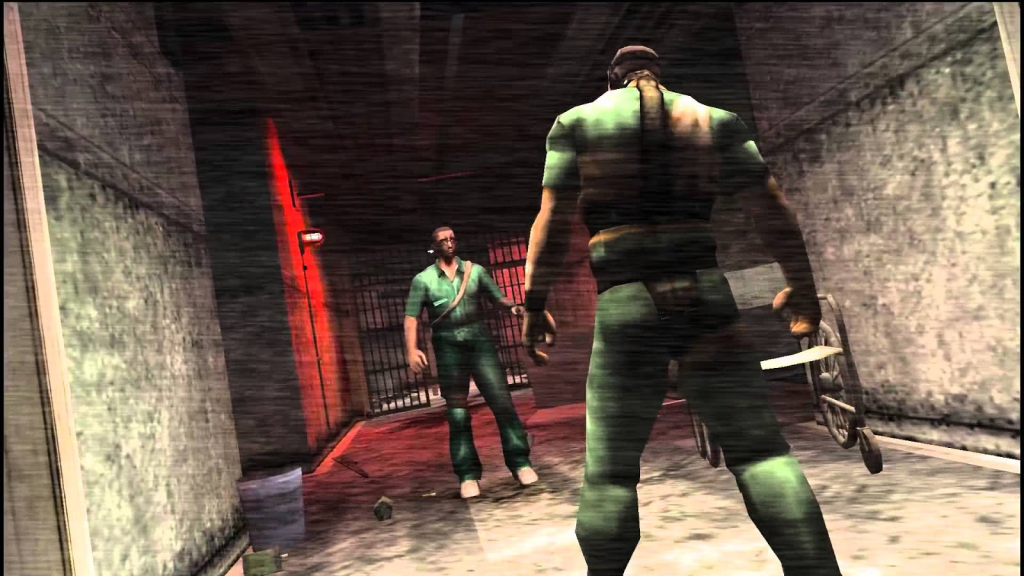
Game 10: Devotion (2019) — Banned for a Hidden Insult to China’s President
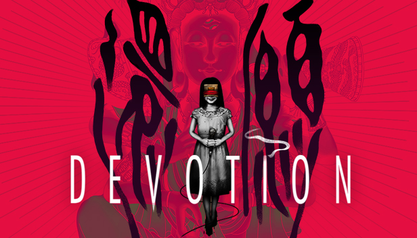
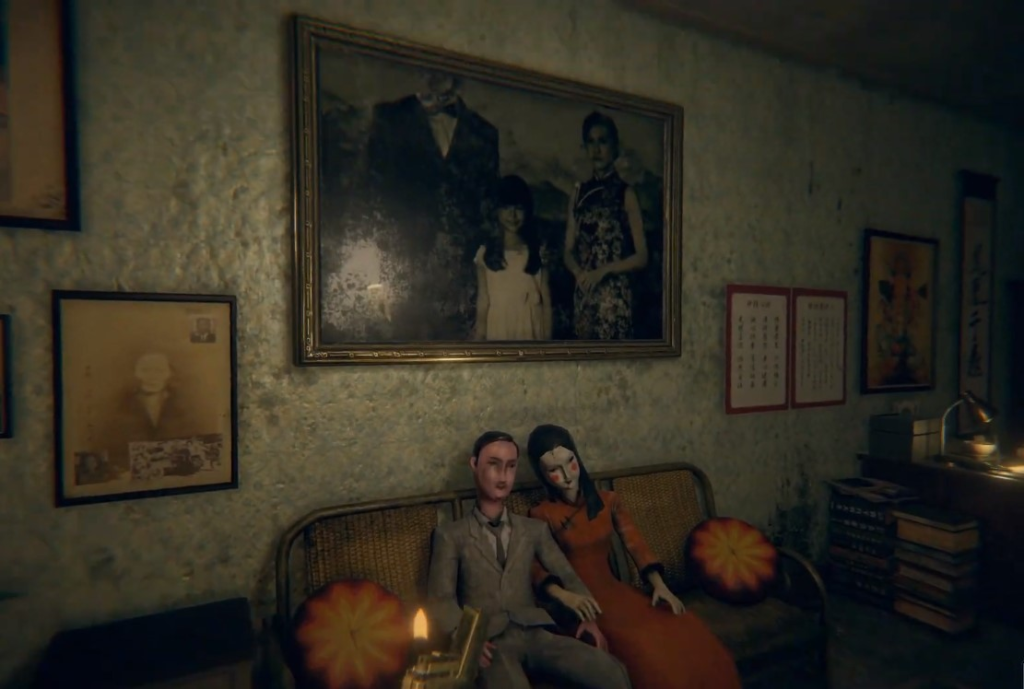
Devotion is a Taiwanese psychological horror game that received widespread critical acclaim on its release in 2019. Within days it was pulled from the Steam platform after players discovered a hidden image in the game that appeared to mock Chinese President Xi Jinping — combining his image with a vulgar Mandarin insult. The Chinese gaming community flooded the game with one-star reviews. The developer immediately removed the image and apologized, but Steam still removed the game from sale in China. Devotion was never officially released on Steam again. It was eventually sold through the developer’s own website — making it arguably the most politically sensitive banned video game of the modern era.
Frequently Asked Questions About Banned Video Games
What is the most banned video game in history?
Postal 2 is widely considered the most broadly banned video game in history — officially banned in at least 13 countries. Manhunt 2 is the most banned major mainstream release, having been refused classification simultaneously in multiple major markets.
Which country bans the most video games?
China and Australia have historically been the most active in banning video games. China bans games for political content, depictions of drugs, blood, and organized crime. Australia has a long history of refusing classification to games with adult content.
Can you still play banned video games today?
In most countries, owning a banned video game is not a criminal offense — though selling or distributing it may be. Many banned games are available through digital platforms in countries where they are not restricted, or through modified versions that removed the offending content.
Did Mortal Kombat really change video game laws?
Yes. The controversy over Mortal Kombat directly led to US Senate hearings in 1993 and the creation of the ESRB rating system in 1994 — the age classification system still used on every video game sold in North America today.
Fascinated by things that were banned, suppressed, or abandoned? Read our story about Kubrick Napoleon film: The Greatest Film Never Made – 7 Shocking Facts About Hollywood’s Most Legendary Abandoned Project – Abandoned Files — the greatest film never made, abandoned before a single frame was shot.
Which of these banned video games surprises you the most? And do you think any of them deserved to be banned? Share your thoughts in the comments below.